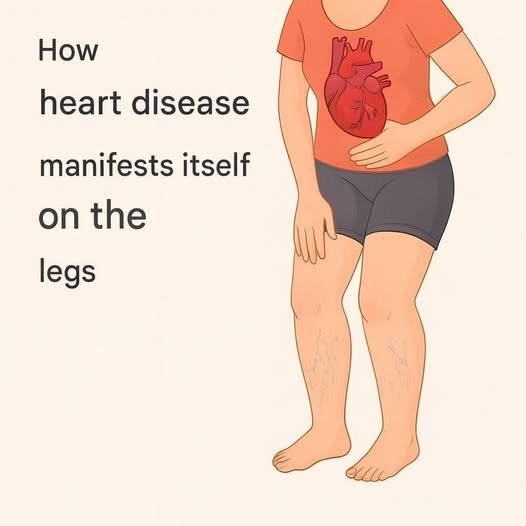
Your Legs Are Screaming “HELP”: 5 Warning Signs From Your Heart You Shouldn’t Ignore
Your heart doesn’t just communicate through chest pain or shortness of breath. In many cases, it sends early warning signals through other parts of your body—especially your legs. Because your heart is responsible for pumping blood throughout your entire body, problems with heart function or circulation often show up in the lower extremities first.
Leg symptoms are often overlooked or blamed on aging, fatigue, or minor circulation issues. However, dermatologists and cardiologists alike agree that certain changes in your legs can be important clues to heart health. Recognizing these signs early can make a real difference.
Here are five leg-related warning signs that may be linked to your heart—and why they matter.
Why Your Legs Reflect Heart Health
Your legs are farthest from your heart, which means they rely heavily on strong, healthy circulation. When the heart struggles to pump efficiently, or when blood vessels are narrowed or damaged, the legs are often the first place where symptoms appear.
Poor circulation, fluid buildup, and reduced oxygen delivery can all signal cardiovascular stress. Paying attention to what your legs are telling you may help catch problems earlier rather than later.
1. Persistent Leg Swelling (Edema)
Swollen feet, ankles, or lower legs—especially at the end of the day—can be a sign that your heart isn’t pumping blood as effectively as it should.
When the heart weakens, blood can back up in the veins, causing fluid to leak into surrounding tissues. This often results in:
-
Puffy ankles or feet
-
Tight or shiny skin
-
Socks leaving deep indentations
Swelling that improves overnight but returns daily, or swelling that affects both legs equally, deserves medical attention.
2. Leg Pain While Walking (That Improves With Rest)
If you experience cramping, aching, or heaviness in your calves, thighs, or hips when walking—but feel relief when you stop—this may be a sign of reduced blood flow to the legs.
This type of pain can occur because narrowed blood vessels aren’t delivering enough oxygen-rich blood during activity. It’s often dismissed as muscle strain or aging, but it may be a sign of circulation problems linked to heart and blood vessel health.
Ignoring this symptom can allow circulation issues to worsen over time.
3. Cold Feet or Legs That Don’t Warm Up
Do your feet feel unusually cold even in warm environments? Persistent coldness in the lower legs or feet may signal reduced blood flow.
While cold weather can explain this sometimes, chronically cold feet—especially when paired with color changes—can be a sign that blood isn’t reaching the extremities efficiently. This can be related to overall cardiovascular circulation.
Poor circulation doesn’t just cause discomfort; it can affect skin health, wound healing, and mobility.
4. Skin Color Changes or Slow-Healing Wounds
Changes in the appearance of your legs can be another warning sign. Watch for:
-
Pale, bluish, or purplish skin
-
Shiny or thinning skin
-
Hair loss on the legs
-
Cuts or sores that heal very slowly
These changes may indicate that tissues are not receiving enough oxygen and nutrients. When blood flow is reduced, the body prioritizes vital organs, sometimes at the expense of the extremities.
Slow-healing wounds on the legs or feet should always be taken seriously.
5. Unusual Fatigue or Heaviness in the Legs
If your legs feel unusually tired, heavy, or weak—even without much activity—it may be a sign that your heart is struggling to keep up with your body’s demands.
This sensation can feel like:
-
Legs that tire quickly
-
Difficulty standing or walking for long
-
A heavy, dragging feeling
Because your muscles depend on oxygen-rich blood, reduced circulation can make even simple movements feel exhausting.
When Leg Symptoms Shouldn’t Be Ignored
Occasional leg discomfort can happen to anyone. However, you should consider seeking medical advice if:
-
Symptoms are persistent or worsening
-
Both legs are affected
-
Swelling appears suddenly
-
Pain limits daily activities
-
Skin changes or wounds develop
Early evaluation can help identify circulation or heart-related issues before complications occur.
How to Support Heart and Circulation Health
While symptoms always require professional evaluation, everyday habits play a role in supporting heart and leg health:
-
Stay physically active with appropriate movement
-
Avoid prolonged sitting or standing
-
Maintain a balanced diet
-
Stay hydrated
-
Avoid smoking and secondhand smoke
-
Elevate legs when resting if swelling occurs
These habits support healthy circulation and overall cardiovascular function.
Listening to Your Body Matters
Your legs are not just carrying you through the day—they may also be quietly communicating important messages about your heart. Swelling, pain, temperature changes, and skin differences aren’t just cosmetic or age-related concerns; they can be early warning signs that deserve attention.
While these symptoms don’t automatically mean something serious is wrong, they should never be ignored, especially if they persist or interfere with daily life.
Final Thoughts
Your heart and legs are more connected than you might think. Paying attention to changes in your legs can provide valuable insight into your cardiovascular health. If your legs seem to be “screaming for help,” listening early could make all the difference.
Awareness, early action, and professional guidance are key to protecting your heart—and keeping you moving comfortably for years to come.