Why Seniors Should Wear Socks Even at Home
For many seniors, the comfort of going barefoot at home can seem harmless, even preferable. After all, it’s warm inside, and shoes can feel restrictive. However, wearing socks at home isn’t just a matter of comfort—it’s an important habit for health, safety, and overall well-being. From preventing falls to maintaining skin health, socks play a vital role in senior care.
1. Maintaining Warmth and Circulation
One of the most important reasons seniors should wear socks at home is temperature regulation. As we age, circulation naturally slows down, making it harder for the body to keep extremities warm. Cold feet can lead to discomfort, disrupted sleep, and even health issues like chilblains or frostbite in extreme cases.
Socks help to:
-
Keep feet warm in cooler indoor temperatures
-
Improve blood flow by maintaining gentle compression in some sock types
-
Prevent nighttime disturbances caused by cold feet
For seniors, cozy, breathable socks are a simple yet effective way to ensure warmth without resorting to heavy slippers or heaters, which can sometimes increase fall risks.
2. Reducing the Risk of Falls
Falls are a major concern for seniors, with serious consequences ranging from sprains to fractures. Surprisingly, wearing the right kind of socks can actually reduce the risk of falls, while going barefoot or wearing smooth socks might increase it.
-
Grip socks or non-slip socks have rubberized soles that provide traction on tile, hardwood, or laminate flooring.
-
Going barefoot, particularly on slippery surfaces, can make seniors more prone to slips.
-
Even standard cotton socks can protect feet from minor injuries and provide a layer of cushioning that adds stability.
By simply wearing socks designed for traction, seniors can maintain balance and confidence while moving around their home.
3. Protecting Skin Health
Seniors often have thinner, more fragile skin, making them more prone to cuts, scrapes, and infections. Bare feet at home can lead to:
-
Minor injuries from furniture or objects
-
Cracks and dryness, especially in cold or dry environments
-
Increased risk of fungal infections like athlete’s foot, especially if floors are not regularly cleaned
Wearing clean, breathable socks helps protect the skin while also keeping moisture at safe levels. Wool or cotton socks are ideal for allowing airflow, while moisture-wicking socks can help prevent fungal growth.
4. Maintaining Foot Hygiene
Feet are often overlooked in daily hygiene routines, yet foot health is directly linked to overall wellness. Wearing socks helps in several ways:
-
Absorbing sweat: Socks help prevent the buildup of moisture that can lead to odor or fungal infections.
-
Barrier against dirt and dust: Socks keep feet cleaner throughout the day.
-
Encouraging regular care: Wearing socks regularly often reminds seniors to check their feet, trim nails, and address any cuts or corns.
Clean socks daily are crucial for preventing infections and maintaining foot hygiene, especially in older adults with reduced mobility or circulation issues.
5. Preventing Pain and Discomfort
Many seniors suffer from foot problems such as bunions, arthritis, or neuropathy. Bare feet can worsen discomfort by exposing sensitive areas to hard floors or cold temperatures.
Wearing socks can help:
-
Cushion joints and reduce pressure points
-
Alleviate discomfort from neuropathy or circulation problems
-
Provide mild compression to reduce swelling in feet or ankles
Soft, well-fitted socks can transform how seniors feel while walking around the house, making movement more comfortable and less painful.
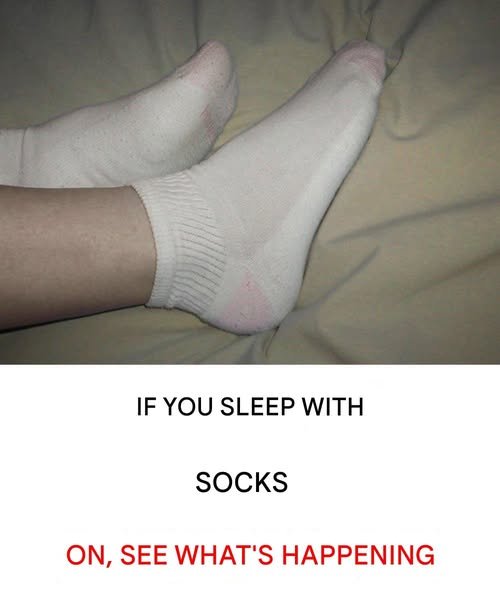
6. Enhancing Sleep Quality
Believe it or not, wearing socks at night can even improve sleep quality. Cold feet can delay the onset of sleep and cause restless nights. By keeping feet warm:
-
Blood vessels dilate, promoting faster sleep onset
-
Circulation improves, reducing night cramps or tingling
-
Seniors can enjoy more restful, uninterrupted sleep
For seniors struggling with sleep disorders, simply putting on a pair of lightweight, breathable socks before bed can make a noticeable difference.
7. Promoting Independence
Falls, foot pain, or cold feet can limit mobility, sometimes causing seniors to avoid moving around the house. Wearing socks with grip or padding can help maintain mobility and confidence.
-
Seniors are more likely to walk around safely
-
They can continue daily routines independently
-
Reduced fear of slipping leads to better overall activity levels
Encouraging seniors to wear socks is a small adjustment that promotes autonomy and quality of life.
Choosing the Right Socks
Not all socks are created equal. For seniors, consider:
-
Material: Cotton or wool for breathability, moisture-wicking fabrics for active seniors
-
Fit: Avoid tight socks that can restrict circulation or leave marks
-
Grip: Non-slip soles or rubberized bottoms for traction on smooth surfaces
-
Cushioning: Light padding to reduce pressure on sensitive feet
Avoid wearing socks that are too thin on slippery floors or too tight for seniors with circulation concerns.
Conclusion
Wearing socks at home is a simple, effective habit that offers multiple benefits for seniors. From warmth and circulation to fall prevention, skin protection, and sleep improvement, socks are far more than a comfort item—they are a vital part of senior safety and health.
Encouraging seniors to wear the right socks indoors can:
-
Reduce the risk of falls
-
Improve foot health and hygiene
-
Enhance comfort and mobility
-
Support overall well-being and independence
Incorporating socks into daily routines is a small but powerful step toward healthier, safer, and more comfortable living for seniors. Whether it’s lightweight cotton for summer or cozy wool for winter, the right pair of socks can make a big difference in quality of life.