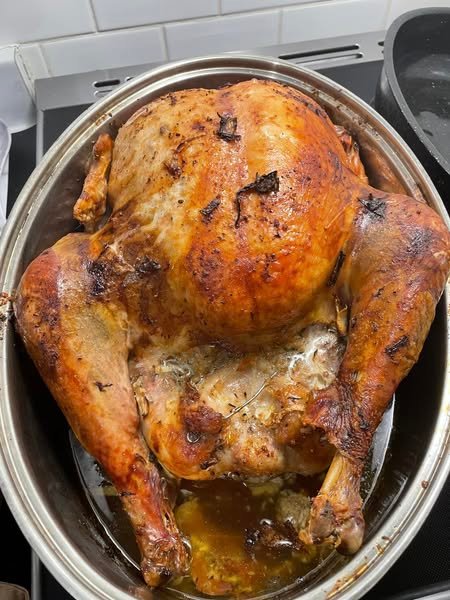
Turkey – A Complete Guide to Cooking a Juicy, Flavorful Bird
Turkey is a versatile, protein-rich meat enjoyed all over the world. While it’s most famously associated with holiday meals, turkey can be prepared year-round in many delicious ways. When cooked properly, turkey is tender, juicy, and full of flavor—but when cooked incorrectly, it can easily turn dry.
This guide focuses on how to cook a classic whole turkey, along with tips to ensure perfect results every time.
Why Turkey Is So Popular
Turkey is loved for several reasons:
-
Lean and high in protein
-
Mild flavor that pairs well with many seasonings
-
Feeds a crowd economically
-
Works well roasted, slow-cooked, grilled, or sliced for leftovers
It’s also a great option for families looking for a nutritious main dish that can stretch across multiple meals.
Ingredients for a Classic Roast Turkey
-
1 whole turkey (4–6 kg / 9–13 lb)
-
3 tablespoons olive oil or melted butter
-
2 teaspoons salt
-
1 teaspoon black pepper
-
1 tablespoon dried herbs (thyme, rosemary, or sage)
-
1 onion, quartered
-
1 lemon, halved
-
3 cloves garlic
-
1 cup chicken or turkey broth
Optional additions:
-
Carrots, celery, and onion for the roasting pan
-
Fresh herbs for stuffing the cavity
Time and Temperature Guide
-
Preparation Time: 20–30 minutes
-
Roasting Time:
-
13–15 minutes per pound (uncovered)
-
-
Resting Time: 20–30 minutes
Oven Temperature
-
165°C (325°F)
Safe Internal Temperature
-
Turkey is fully cooked when the thickest part of the thigh reaches 74°C (165°F).
Step-by-Step Instructions
Step 1: Prepare the Turkey
Remove the turkey from the refrigerator 1 hour before cooking. Remove giblets and neck from the cavity and pat the turkey dry with paper towels.
Dry skin is essential for good browning.
Step 2: Season
Rub the turkey all over with olive oil or butter. Season generously with salt, pepper, and herbs.
Stuff the cavity loosely with onion, lemon, garlic, and herbs. This adds aroma and moisture but is not meant to be eaten.
Step 3: Roast
Place the turkey breast-side up on a rack in a roasting pan. Add broth to the bottom of the pan.
Roast uncovered at 165°C (325°F), basting every 45 minutes if desired.
If the skin browns too quickly, tent loosely with foil.
Step 4: Check for Doneness
Insert a thermometer into the thickest part of the thigh without touching bone. When it reaches 74°C (165°F), the turkey is done.
Juices should run clear, not pink.
Step 5: Rest and Carve
Remove the turkey from the oven and let it rest for 20–30 minutes. Resting allows juices to redistribute, keeping the meat moist.
Carve and serve.
Serving Suggestions
Turkey pairs well with:
-
Mashed potatoes
-
Roasted vegetables
-
Rice or stuffing
-
Cranberry sauce
-
Gravy made from pan drippings
Leftover turkey is excellent for sandwiches, soups, salads, and casseroles.
Storage and Leftovers
-
Refrigerate cooked turkey within 2 hours
-
Store in airtight containers for up to 3–4 days
-
Freeze leftovers for up to 2 months
Always reheat until steaming hot.
Tips for Juicy Turkey
-
Don’t overcook—use a thermometer
-
Let the turkey rest before carving
-
Avoid stuffing the bird tightly
-
Keep oven temperature steady
-
Season generously
Popular Variations
-
Herb-Butter Turkey: Rub herb butter under the skin
-
Garlic Lemon Turkey: Extra citrus and garlic flavor
-
Slow Cooker Turkey Breast: Great for smaller meals
-
Spice-Rubbed Turkey: Add paprika, cumin, or mild spices
Nutritional Benefits
Turkey is:
-
High in lean protein
-
Lower in fat than many red meats
-
Rich in B vitamins
-
Naturally filling and satisfying
It’s an excellent choice for balanced meals.
Conclusion
Turkey doesn’t have to be intimidating. With the right temperature, seasoning, and cooking time, you can create a tender, juicy turkey that’s perfect for holidays or everyday meals. Whether roasted whole or cooked in smaller cuts, turkey is a reliable, nutritious centerpiece that never goes out of style.