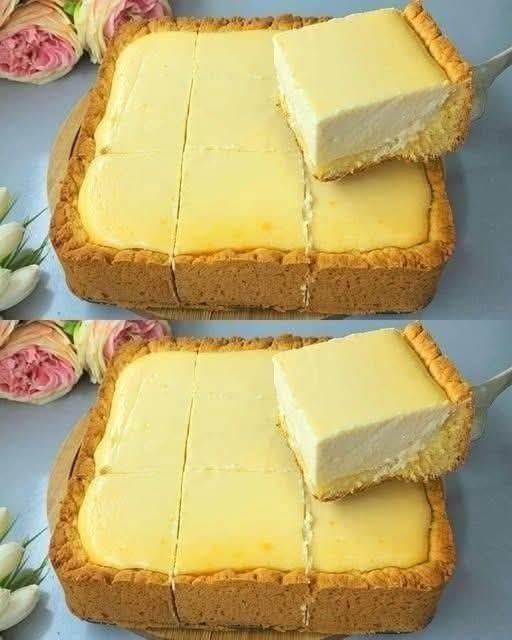
Torta Della Nonna (Classic Italian Custard Tart)
Torta della Nonna, or Grandmother’s Cake, is a beloved Italian dessert that perfectly represents the heart of traditional Italian baking. Originating from Tuscany, this classic tart features a buttery shortcrust pastry (pasta frolla) filled with silky lemon-scented custard, then finished with pine nuts and a dusting of powdered sugar.
Simple yet refined, Torta della Nonna is a staple in Italian homes and trattorias. It’s the kind of dessert that feels comforting and nostalgic, yet elegant enough to serve for special occasions. Each bite offers a balance of crisp pastry, creamy filling, and the delicate nuttiness of toasted pine nuts.
What Is Torta Della Nonna?
Despite its name, Torta della Nonna does not contain nuts in the filling. The name reflects its humble, home-style origins—desserts lovingly prepared by Italian grandmothers using everyday ingredients. Traditionally, the cake is made with a single pastry shell and custard filling, topped with pine nuts, though some variations include a pastry lattice or top crust.
Why This Recipe Works
-
Authentic Italian pasta frolla pastry
-
Smooth, rich custard with fresh lemon zest
-
Perfect balance of sweetness and texture
-
Traditional topping of pine nuts and powdered sugar
-
Ideal make-ahead dessert
Ingredients
Pasta Frolla (Shortcrust Pastry)
-
2½ cups (315 g) all-purpose flour
-
½ cup (100 g) granulated sugar
-
Zest of 1 lemon
-
½ teaspoon baking powder
-
½ teaspoon salt
-
¾ cup (170 g) cold unsalted butter, cubed
-
2 large eggs
Custard Filling
-
2½ cups (600 ml) whole milk
-
¾ cup (150 g) granulated sugar
-
4 large egg yolks
-
¼ cup (30 g) cornstarch
-
Zest of 1 lemon
-
1 teaspoon vanilla extract
Topping
-
¼ cup pine nuts
-
Powdered sugar, for dusting
Instructions
Step 1: Make the Custard
In a saucepan, heat the milk with lemon zest until just steaming—do not boil. Remove from heat and set aside.
In a bowl, whisk egg yolks, sugar, and cornstarch until pale and smooth. Slowly pour the warm milk into the egg mixture while whisking continuously.
Return the mixture to the saucepan and cook over medium-low heat, stirring constantly, until thick and smooth. Remove from heat, stir in vanilla, and transfer to a bowl. Cover with plastic wrap touching the surface and let cool completely.
Step 2: Prepare the Pastry
In a large bowl, combine flour, sugar, lemon zest, baking powder, and salt. Add cold butter and rub into the flour until the mixture resembles coarse crumbs.
Add the eggs and mix until a soft dough forms. Shape into a disc, wrap in plastic wrap, and refrigerate for 30–45 minutes.
Step 3: Assemble the Tart
Preheat oven to 180°C (350°F). Grease and line a 9-inch (23 cm) tart pan.
Roll out two-thirds of the pastry and line the tart pan, pressing gently into the edges. Trim excess dough.
Pour the cooled custard into the pastry shell and smooth the top.
Roll out the remaining pastry and place gently over the custard, sealing the edges. Prick the top lightly with a fork.
Step 4: Add Topping and Bake
Sprinkle pine nuts evenly over the top.
Bake for 40–45 minutes, or until golden brown.
Allow the tart to cool completely before removing from the pan.
Serving Suggestions
Once cooled, dust generously with powdered sugar before serving. Torta della Nonna is traditionally served at room temperature and pairs beautifully with espresso or a sweet dessert wine.
Tips for Authentic Results
-
Chill pastry to prevent shrinking
-
Stir custard constantly to avoid lumps
-
Allow cake to cool fully for clean slices
-
Toast pine nuts lightly beforehand for extra flavor
Storage
Store Torta della Nonna in the refrigerator for up to 3 days. Bring to room temperature before serving for best texture and flavor.
Variations
-
Open Tart Version: Skip the top crust and add pine nuts directly on custard
-
Orange Zest: Replace lemon with orange for a subtle twist
-
Vanilla Bean Custard: Use real vanilla bean for deeper flavor
Final Thoughts
Torta della Nonna is a timeless Italian dessert that showcases the beauty of simple ingredients treated with care. Creamy, fragrant, and comforting, it’s a cake that truly earns its name—just like something Nonna would make.