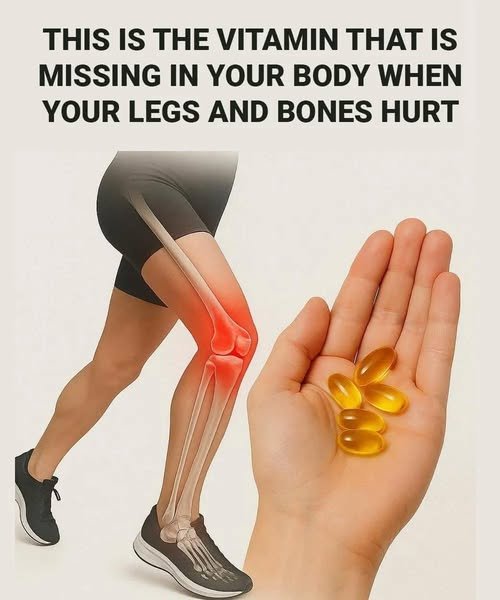
The Vitamin Your Body May Be Missing When Your Legs and Bones Hurt
If you’ve been experiencing aching legs, sore bones, or general musculoskeletal pain, it could be your body signaling a deficiency in a crucial nutrient—vitamin D. Often called the “sunshine vitamin,” vitamin D plays a vital role in maintaining strong bones, healthy muscles, and overall skeletal health.
Why Vitamin D Matters
Vitamin D is essential for:
-
Calcium Absorption: It helps your intestines absorb calcium, the mineral that keeps bones dense and strong. Without enough vitamin D, your body struggles to maintain bone strength.
-
Bone Health: Deficiency can lead to soft, weak bones, increasing the risk of osteomalacia in adults or rickets in children.
-
Muscle Function: Low levels may cause muscle weakness or aches, often felt in the legs or lower back.
Symptoms of Vitamin D Deficiency
Some common signs include:
-
Bone pain or tenderness
-
Muscle aches and weakness
-
Fatigue or low energy
-
Frequent bone fractures or slow healing
-
Mood changes like low mood or irritability
Many people overlook mild deficiency symptoms until they worsen, which is why persistent leg or bone pain should not be ignored.
Causes of Vitamin D Deficiency
Vitamin D deficiency can occur for several reasons:
-
Limited Sun Exposure: Your skin produces vitamin D when exposed to sunlight. Staying indoors or using heavy sunscreen can reduce production.
-
Dietary Deficiency: Foods rich in vitamin D include fatty fish, fortified dairy, and egg yolks. A diet low in these foods can contribute to deficiency.
-
Age and Health Conditions: Older adults, people with darker skin, or those with certain digestive disorders may absorb less vitamin D.
How to Support Healthy Bones
To help relieve leg and bone pain, you can:
-
Increase Sun Exposure: 10–30 minutes of midday sun a few times a week can boost vitamin D production.
-
Eat Vitamin D-Rich Foods: Salmon, sardines, mackerel, fortified milk, and egg yolks are excellent sources.
-
Supplements: Vitamin D3 supplements are widely available, but it’s best to consult a healthcare provider for proper dosing.
-
Exercise: Weight-bearing exercises like walking, jogging, or strength training help maintain bone density.
When to See a Doctor
Persistent bone or leg pain, especially if accompanied by fatigue or frequent fractures, should prompt a visit to a healthcare professional. A simple blood test can measure vitamin D levels and help guide supplementation or dietary changes.
Bottom Line
If your legs and bones ache without a clear cause, vitamin D deficiency could be a factor. Supporting your body with adequate sunlight, nutrient-rich foods, and possibly supplementation can improve bone strength, reduce pain, and enhance overall well-being.