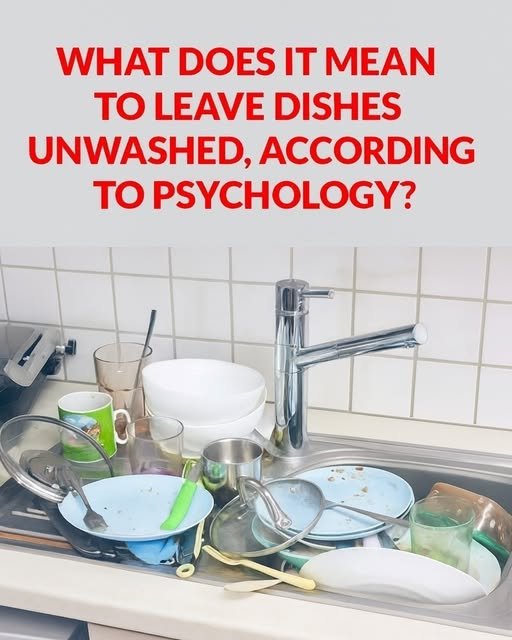
The Psychological Meaning of Leaving Dirty Dishes
We’ve all been there: you glance at a pile of dirty dishes in the sink—maybe it’s your own, maybe someone else’s—and a subtle feeling of discomfort, guilt, or frustration sets in. But have you ever wondered why leaving dirty dishes happens so often? Beyond being a simple household habit, leaving dirty dishes can reveal surprising insights about our psychology, habits, and emotional state.
In this article, we explore the potential psychological meaning behind leaving dirty dishes, why it happens, and how understanding this behavior can help you develop healthier routines and mindset.
1. Procrastination and Avoidance
One of the most common reasons people leave dirty dishes is procrastination. Psychologists suggest that putting off tasks—especially mundane or repetitive ones—can be a way to avoid discomfort or effort. Doing the dishes is rarely exciting, and for some, it represents a chore that interferes with more enjoyable activities.
From a psychological perspective, this avoidance can also indicate underlying stress or overwhelm. When life feels busy or chaotic, small tasks like washing dishes can feel disproportionately burdensome. The pile grows, not because of laziness, but because the brain prioritizes tasks that feel urgent or rewarding over routine chores.
2. Emotional Significance
Believe it or not, dirty dishes can carry emotional meaning. For some individuals, leaving dishes in the sink may unconsciously signal a desire for personal space, autonomy, or resistance to control. If someone feels pressured or micromanaged in their home environment, neglecting a chore like dishwashing can become a subtle act of reclaiming control.
Conversely, leaving dirty dishes may reflect emotional fatigue. After a long day of managing work, relationships, or other responsibilities, the energy to complete routine tasks may simply not exist. Psychologists often interpret this behavior as an indicator of self-care neglect—a signal that your mind and body need a break before taking on more tasks.
3. Household Dynamics and Relationship Messages
Dirty dishes in shared spaces can also communicate unspoken messages in relationships. For instance:
- Subtle resistance or passive-aggression: Leaving dishes for a partner may reflect unexpressed frustration or resentment.
- Testing boundaries: Some people unconsciously leave tasks unfinished to see how others respond, gauging patience or tolerance.
- Dependency and role expectations: In households where chores are unevenly distributed, leaving dishes might reflect learned habits about who “should” do certain tasks.
Psychologists highlight that dishwashing is not just a chore; it’s a social and relational cue that communicates attitudes, expectations, and boundaries in a shared environment.
4. Connection to Personality Traits
Research in behavioral psychology suggests that certain personality traits influence housekeeping behaviors. People who are more spontaneous, creative, or non-conforming may leave dirty dishes longer because they prioritize activities they find stimulating over routine tasks. On the other hand, individuals with high conscientiousness tend to complete chores promptly, seeing cleanliness as part of their order and structure.
Additionally, habitual procrastinators or perfectionists may leave dishes undone for different reasons:
- Procrastinators: Delay dishes due to avoidance or perceived monotony.
- Perfectionists: May delay washing dishes because they dislike doing a task “imperfectly” or feel overwhelmed by the volume of items.
Recognizing these patterns can provide insight into personal tendencies and help develop strategies to manage daily routines more effectively.
5. Mental Health Connections
Psychologists note that leaving dirty dishes may sometimes be a subtle indicator of mental health challenges. For example:
- Depression: Individuals experiencing depressive symptoms may struggle with completing daily tasks, including washing dishes, due to low energy or motivation.
- Anxiety: The pressure of multiple responsibilities can make a simple task feel daunting, leading to avoidance.
- ADHD: Difficulty initiating or sustaining attention on routine chores can result in piles of dishes accumulating.
While leaving dirty dishes alone is not a definitive sign of mental health issues, it can be a behavioral clue worth noting, especially if accompanied by other signs of fatigue, irritability, or difficulty managing daily tasks.
6. Strategies to Address Dirty Dish Habits
Understanding the psychological roots of leaving dirty dishes is the first step toward change. Here are practical strategies:
- Break Tasks Into Small Steps: Wash dishes immediately after meals or rinse them to prevent piling.
- Set Micro-Routines: Create predictable dishwashing routines (e.g., after breakfast or dinner).
- Make It Enjoyable: Listen to music, podcasts, or audiobooks while doing dishes.
- Delegate or Rotate Chores: In shared households, agree on a schedule to prevent resentment or conflict.
- Mindfulness Practice: Use dishwashing as a mindful activity, focusing on sensations, movements, and the satisfaction of completing a task.
7. Reframing Perspective
Finally, leaving dirty dishes is often a normal human behavior, not inherently “bad” or “lazy.” Reframing it as a psychological signal rather than a moral failing allows for more compassionate self-awareness. It can serve as a reminder to check in with your stress levels, emotional energy, and household dynamics.
Psychologists emphasize that small, everyday behaviors—like how we handle dirty dishes—offer subtle but meaningful insight into our mental, emotional, and social lives. Paying attention to these patterns can improve self-understanding, relationships, and household harmony.
Conclusion
Leaving dirty dishes is more than just a minor annoyance; it carries psychological meaning that touches on procrastination, emotional well-being, personality, and relational dynamics. While everyone leaves dishes occasionally, frequent avoidance may signal underlying stress, fatigue, or subconscious messages to oneself or others.
By recognizing the reasons behind this behavior and implementing mindful strategies, individuals can transform dishwashing from a mundane chore into an opportunity for self-awareness, habit formation, and emotional reflection.
Next time you see that stack of dirty dishes in the sink, take a moment to ask: What is my mind really trying to tell me? The answer may reveal more than you expect.