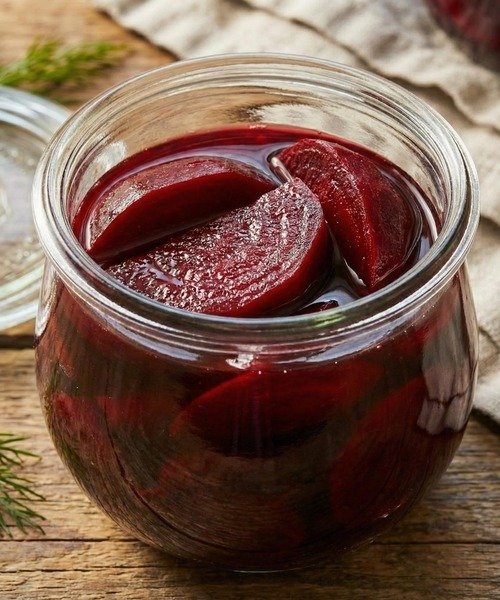
The Beetroot Boost: What Eating Beets Can Do for Your Body, According to Experts
Beets might be the humble root vegetable you’ve overlooked at the grocery store, but nutrition experts agree they deserve a regular spot on your plate. Known for their vibrant color and earthy flavor, beets are more than just a tasty addition to salads and smoothies—they are packed with nutrients that can have impressive effects on your body and overall health.
Nutritional Powerhouse
Beets are low in calories but high in essential nutrients. One cup of cooked beets provides:
-
Folate (Vitamin B9): Supports cell growth and heart health
-
Manganese: Helps with bone formation and metabolism
-
Potassium: Supports proper muscle and nerve function
-
Vitamin C: Boosts immunity and acts as an antioxidant
-
Fiber: Aids digestion and promotes gut health
In addition, beets contain betalains, plant compounds with anti-inflammatory and antioxidant properties, giving them their striking red-purple color.
Benefits of Eating Beets
1. Supports Heart Health
Beets are rich in nitrates, which your body converts into nitric oxide. Nitric oxide helps relax blood vessels, improving blood flow and lowering blood pressure. Studies have shown that regular beet consumption may reduce the risk of cardiovascular diseases and support healthy circulation.
2. Boosts Exercise Performance
Thanks to nitrates, beets can improve oxygen use during exercise, enhancing stamina and endurance. Athletes and fitness enthusiasts often drink beet juice before workouts to maximize performance.
3. Promotes Brain Health
Improved blood flow isn’t just good for the heart—it benefits the brain too. Some research suggests that the nitrates in beets may help slow cognitive decline and support memory by increasing blood supply to brain regions.
4. Supports Liver Function
Beets contain compounds like betalains and betaine, which may help protect the liver from toxins and support detoxification processes. This makes them a great addition to a liver-friendly diet.
5. Anti-Inflammatory Properties
Chronic inflammation is linked to many health conditions. The betalains and other antioxidants in beets help reduce inflammation, supporting overall health and potentially lowering the risk of disease.
How to Include Beets in Your Diet
Eating beets is easier than you might think. Here are some simple ways to enjoy them:
-
Roasted Beets: Toss with olive oil, salt, and herbs, then roast until tender.
-
Beet Juice or Smoothies: Combine with apples, carrots, or ginger for a nutrient-packed drink.
-
Salads: Grate raw beets into salads for color and crunch.
-
Soups: Try traditional beet soups like borscht.
-
Snacks: Thinly slice beets and bake into chips for a healthy alternative to potato chips.
Tips from Experts
-
Pair with Vitamin C: Eating beets with vitamin C-rich foods (like citrus or bell peppers) can help your body absorb more iron.
-
Start Small: Beets are high in natural sugars and nitrates, so start with moderate amounts if you’re new to them.
-
Watch the Color: Beets can temporarily turn urine and stools pinkish—a harmless effect known as beeturia.
Final Thoughts
Beets are more than just a colorful addition to your plate—they are a supercharged vegetable packed with nutrients that support heart health, brain function, exercise performance, liver health, and inflammation reduction. Adding a small serving of beets to your diet a few times a week can have a noticeable impact on your health, making them a simple yet powerful choice for wellness-conscious eaters.