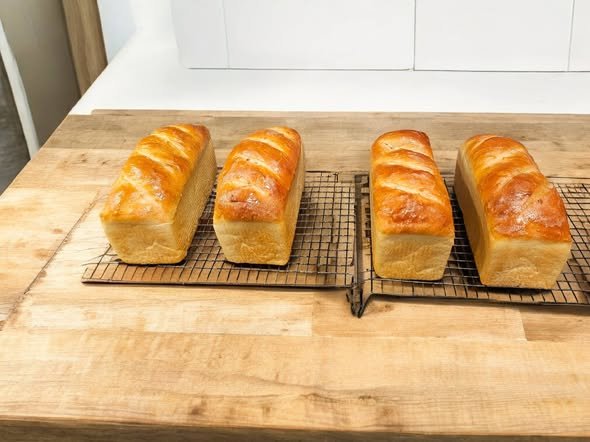
Homemade Sourdough Sandwich Bread: Soft, Tangy, and Perfect for Every Sandwich
If you’ve ever wanted to make bakery-quality sourdough bread at home, but in a shape perfect for sandwiches, this recipe is for you. Unlike traditional round sourdough loaves, sourdough sandwich bread is baked in a loaf pan, producing soft, even slices with the signature tangy flavor of sourdough.
Whether you’re making classic PB&J, hearty deli sandwiches, or avocado toast, this sourdough sandwich bread delivers soft crumb, sturdy slices, and a gentle sourness that complements any filling.
Why Make Sourdough Sandwich Bread?
Sourdough isn’t just delicious—it’s nutritionally beneficial and naturally preservative. Made with a natural starter instead of commercial yeast, sourdough bread:
-
Develops complex flavor from slow fermentation.
-
Creates a soft yet chewy crumb ideal for sandwiches.
-
Can be easier to digest for some people due to the natural fermentation.
-
Stays fresh longer than regular yeast bread without preservatives.
Using a loaf pan gives the bread a uniform shape and perfect sliceable texture, making it ideal for lunchboxes or weekly meal prep.
Ingredients
This recipe makes one standard 9×5-inch loaf.
For the Starter (if you don’t have one ready):
-
50 g (¼ cup) active sourdough starter
-
50 g (½ cup) water
-
50 g (½ cup) all-purpose or bread flour
For the Dough:
-
250 g (1 cup) active sourdough starter
-
300 g (1 ¼ cups) warm water
-
500 g (4 cups) bread flour
-
10 g (2 tsp) salt
-
25 g (2 tbsp) sugar or honey (optional for slight sweetness)
-
30 g (2 tbsp) unsalted butter, softened
Step-by-Step Instructions
1. Feed the Starter
If your starter has been refrigerated, feed it 4–8 hours before baking until it’s bubbly and active. This ensures the dough rises well and develops that signature sourdough flavor.
2. Mix the Dough
In a large mixing bowl, combine:
-
Active sourdough starter
-
Warm water
-
Sugar or honey (optional)
Stir in the bread flour gradually until a rough dough forms. Add salt and softened butter, then knead for 8–10 minutes until the dough is smooth and elastic.
Tip: You can knead by hand, with a stand mixer, or using the stretch-and-fold method over 2–3 hours for a more artisanal texture.
3. Bulk Fermentation
Place the dough in a lightly oiled bowl and cover with a damp cloth or plastic wrap. Let it rise at room temperature for 3–6 hours, depending on your starter’s activity and the ambient temperature. The dough should roughly double in size.
During this time, perform stretch-and-folds every 30–60 minutes to strengthen the dough and improve its structure.
4. Shape the Loaf
Gently deflate the dough and shape it into a rectangle to fit your loaf pan. Place it in a greased 9×5-inch loaf pan, seam side down. Cover loosely and let it proof for another 2–3 hours, until slightly puffy.
Pro Tip: Avoid overproofing; the dough should feel airy but not collapse.
5. Preheat the Oven
Preheat your oven to 375°F (190°C). For a soft crust, you can lightly brush the top with water or milk before baking.
6. Bake
Bake the bread for 35–45 minutes, until the top is golden brown and the loaf sounds hollow when tapped. For a slightly firmer crust, bake 5–10 minutes longer.
Once baked, remove from the pan and cool completely on a wire rack before slicing. This prevents the bread from becoming gummy.
Tips for Perfect Sourdough Sandwich Bread
-
Starter strength matters – Always use an active, bubbly starter for reliable rising.
-
Don’t rush fermentation – Sourdough develops flavor slowly; patience is key.
-
Use bread flour – Higher protein content produces a chewy, airy crumb ideal for sandwiches.
-
Stretch and fold – Strengthens the gluten network and improves loaf structure.
-
Cool before slicing – Cutting too early can crush the soft crumb.
Variations
-
Whole Wheat Sourdough – Replace 1–2 cups of bread flour with whole wheat flour for a nutty, hearty flavor.
-
Seeded Loaf – Mix in sunflower seeds, flaxseeds, or pumpkin seeds for texture and nutrition.
-
Garlic & Herb – Fold in minced garlic and fresh herbs for a savory sandwich bread twist.
-
Sweet Sourdough – Add cinnamon and a bit of brown sugar for breakfast toast.
Serving Suggestions
Sourdough sandwich bread is incredibly versatile:
-
Classic sandwiches – Ham, turkey, roast beef, or grilled veggies.
-
Toast – Perfect for avocado toast, buttered toast, or jam.
-
French toast – Thick slices make an extra-fluffy French toast.
-
Panini or grilled sandwiches – Holds up well when pressed and grilled.
It’s also perfect for meal prep; slice, store in an airtight container, and freeze for up to 2 months.
Why You’ll Love This Bread
Homemade sourdough sandwich bread combines soft, tender crumb with subtle tangy flavor. Unlike store-bought sandwich loaves, it’s additive-free, customizable, and made with simple ingredients. The result is:
-
Perfectly sliceable bread
-
Soft, fluffy texture inside
-
Slightly tangy flavor that complements any filling
-
A healthier, more natural alternative to commercial sandwich bread
Final Thoughts
Making sourdough sandwich bread at home might seem intimidating, but with a little patience, it’s extremely rewarding. This loaf brings bakery-quality bread into your kitchen, perfect for sandwiches, toast, and family meals. Once you taste homemade sourdough, store-bought bread will never feel the same again.