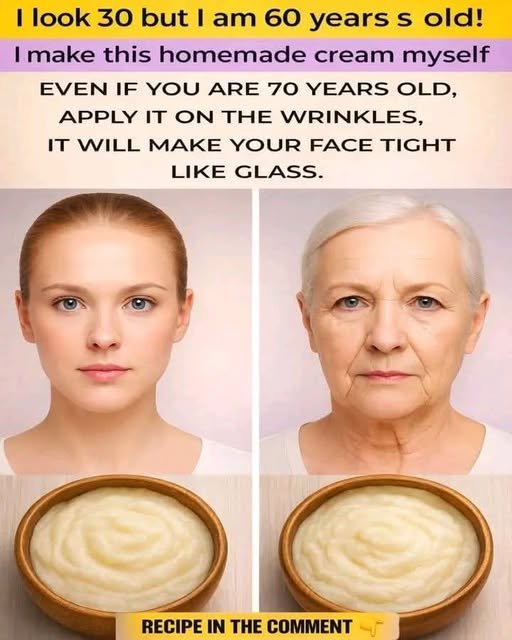
Baking Soda Cream: What It Really Does for Your Skin (And How to Use It Safely)
You may have seen claims like “Apply baking soda cream before bed—goodbye wrinkles and blemishes.” While baking soda is a common household ingredient, it’s important to separate viral myths from safe, realistic skincare use.
Baking soda does not erase wrinkles or cure blemishes, but when used occasionally and carefully, it can act as a gentle exfoliating cleanser for certain skin types. Used incorrectly or too often, however, it can damage the skin barrier.
This article explains what baking soda cream can and cannot do, how to prepare a safer version, and who should avoid it.
What Baking Soda Is (In Skincare Terms)
Baking soda (sodium bicarbonate) is:
-
Mildly abrasive
-
Highly alkaline (pH ~9)
-
Used traditionally for cleaning and deodorizing
Human skin, however, is naturally acidic (pH ~4.5–5.5). This is crucial to remember.
What Baking Soda Cream Can Realistically Do
When diluted and used sparingly, baking soda may help:
-
Remove surface dead skin cells (temporary smoothing)
-
Reduce surface oil buildup
-
Clean pores on resilient skin
-
Improve the appearance of dull skin short-term
That’s it.
What It Does NOT Do
❌ Remove wrinkles
❌ Treat acne or pigmentation
❌ Heal scars
❌ Replace skincare treatments
❌ “Rejuvenate” skin permanently
Any smoothness you notice is temporary exfoliation, not anti-aging.
A Safer Baking Soda Cream (Occasional Use Only)
Ingredients
-
1 teaspoon baking soda
-
2 teaspoons plain yogurt or aloe vera gel
-
(Optional) ½ teaspoon honey for slip
❗ Never mix baking soda with lemon, vinegar, or undiluted oils.
How to Prepare
-
Mix ingredients into a smooth, creamy paste
-
Use immediately (do not store)
How to Apply (Important)
-
Use once every 10–14 days maximum
-
Apply to clean, dry skin
-
Gently massage for 10–15 seconds only
-
Avoid eye area, lips, and broken skin
-
Rinse thoroughly with lukewarm water
-
Follow with a gentle moisturizer
⚠️ Do NOT leave it on overnight.
Overnight use can severely disrupt the skin barrier.
Why Overnight Use Is Risky
Leaving baking soda on the skin for long periods can:
-
Strip natural oils
-
Cause redness and burning
-
Trigger breakouts
-
Accelerate premature aging
-
Weaken the skin’s protective barrier
Ironically, this can make wrinkles and blemishes worse, not better.
Who Should NOT Use Baking Soda on Skin
Avoid completely if you have:
-
Sensitive skin
-
Acne-prone skin
-
Rosacea or eczema
-
Dry or mature skin
-
Darker skin tones (higher risk of irritation and pigmentation)
Children should never use baking soda on the face.
Better, Safer Alternatives (Dermatologist-Approved)
If your goal is smoother, clearer skin, consider:
-
Lactic acid (gentle exfoliation)
-
Niacinamide (blemish support)
-
Hyaluronic acid (hydration)
-
Retinol (wrinkle care – professionally formulated)
-
Clay masks (oil control)
These are far safer and more effective than baking soda.
Why This “Hack” Went Viral
Baking soda feels:
-
Instantly smooth
-
Clean and tightening
-
Cheap and accessible
Social media often mistakes immediate sensation for long-term benefit.
Final Thoughts
Baking soda cream is not a miracle anti-aging treatment. Used rarely and diluted, it may offer temporary exfoliation, but regular or overnight use can damage your skin.