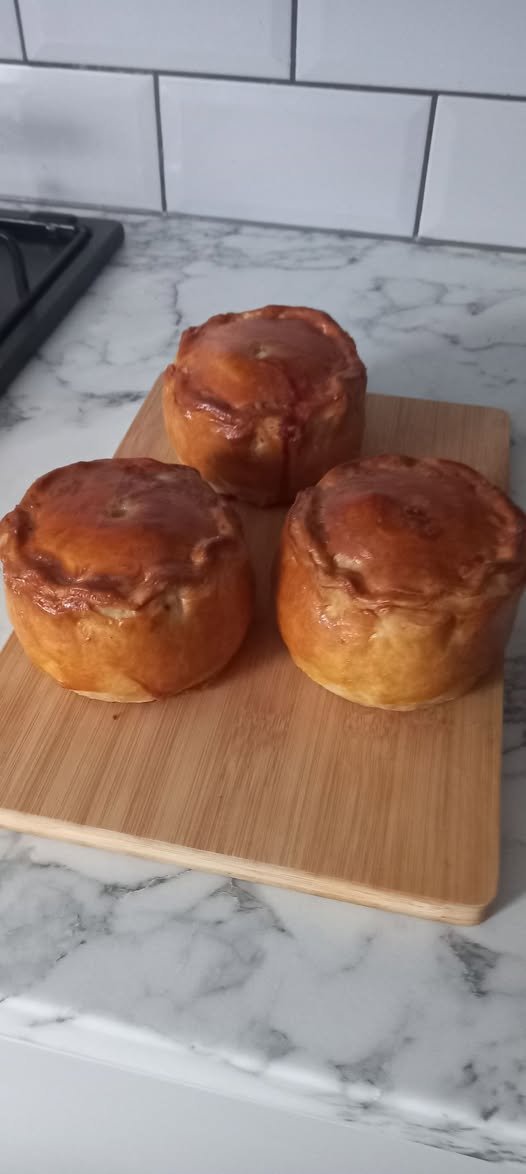
Pork Pies: A British Classic You Need to Know About
If you’re a fan of hearty, savory pastries, pork pies are an absolute must-try. These traditional British treats combine flaky pastry with rich, seasoned pork filling, creating a snack or meal that has been beloved for centuries. From their historical roots to the modern variations enjoyed today, pork pies offer more than just flavor—they’re a culinary tradition worth celebrating.
What Are Pork Pies?
A pork pie is a type of British meat pie traditionally made from pork and pork fat encased in a hot water crust pastry. Unlike many pies that are served hot, classic pork pies are often eaten cold, making them a popular choice for picnics, lunchboxes, and buffets.
The defining characteristics of a pork pie are:
-
Hot Water Crust Pastry: This pastry is made with water and lard, which creates a firm, moldable dough capable of holding dense meat fillings.
-
Seasoned Pork Filling: The pork is often minced and mixed with seasonings like salt, pepper, nutmeg, or sage. Some recipes include a layer of jelly or aspic, which helps preserve the pie and adds moisture.
-
Handmade or Molded: Traditional pies are often shaped by hand or in special molds, giving them a rustic yet refined look.
A Brief History of Pork Pies
Pork pies have a rich history in Britain, dating back to the medieval period. Originally, pies were a method of preserving meat before refrigeration, and pork was one of the most accessible meats in England.
-
By the 18th century, pork pies had become a common working-class snack in northern England, especially in Leicestershire and Yorkshire.
-
The famous Melton Mowbray pork pie emerged in the 19th century as a gourmet version, named after the town in Leicestershire. Today, it’s a protected designation of origin product, meaning only pies made in that region using traditional methods can be called “Melton Mowbray pork pies.”
How Pork Pies Are Made
Pork pies are deceptively simple, but making a perfect one requires attention to detail. Here’s a breakdown of the process:
Step 1: Make the Hot Water Crust Pastry
-
Heat water and lard until melted.
-
Mix the hot mixture with flour to form a dough.
-
Knead briefly until smooth, then let it cool slightly.
This pastry is unique because it’s moldable when hot but bakes into a firm, golden crust that holds the meat filling without collapsing.
Step 2: Prepare the Pork Filling
-
Use a combination of pork shoulder and pork fat for flavor and juiciness.
-
Mince the meat finely and mix with seasonings such as salt, black pepper, nutmeg, and sometimes a touch of mace.
-
Some recipes include aspic jelly or stock to keep the filling moist.
Step 3: Assemble the Pie
-
Line a pie tin or mold with hot water crust pastry.
-
Fill with the pork mixture, pressing it down slightly to remove air pockets.
-
Cover with a pastry lid, crimp the edges, and brush with egg wash for a golden finish.
Step 4: Bake
Bake at around 180°C (350°F) for 45–60 minutes until the pastry is golden and crisp. Some traditional recipes suggest adding hot pork stock after baking to create the jelly layer inside.
Types of Pork Pies
-
Melton Mowbray Pork Pie
-
This is the iconic hand-formed pie with a slightly crumbly, rustic pastry and seasoned pork filling.
-
-
Hand-Raised Pork Pie
-
Taller pies made entirely by hand using hot water crust pastry. Often eaten cold as a snack.
-
-
Baked or Mini Pork Pies
-
Smaller versions perfect for picnics, parties, or lunchboxes.
-
Serving Suggestions
-
Cold with Pickles: Traditionally served cold with pickled onions, Branston pickle, or mustard.
-
Picnic Staple: Pork pies are ideal for outdoor meals since they don’t require reheating.
-
Party Appetizer: Mini pork pies make perfect finger food for gatherings.
-
Accompanied by Cheese: For a hearty lunch, serve with slices of cheese and crusty bread.
Fun Facts About Pork Pies
-
Pork pies are often associated with British cricket matches and country fairs.
-
The term “pork pie” has also entered Cockney rhyming slang, meaning “lie” or “falsehood” (from “pork pie – lie”).
-
Some pies include a gelatin layer, which was historically used to preserve the meat before refrigeration.
Modern Variations
While the classic pork pie remains a favorite, modern cooks have experimented with variations:
-
Cheese Pork Pies: Incorporate cheddar or Stilton for extra flavor.
-
Herb-Infused Pies: Add sage, thyme, or rosemary for aromatic notes.
-
Mini Pies with Vegetables: Include peas, carrots, or mushrooms for a more balanced snack.
Storing Pork Pies
-
Refrigeration: Pork pies can be stored in the fridge for up to 5–7 days.
-
Freezing: Individual pies can be frozen for up to 2 months. Thaw in the fridge before serving.
-
Serving Cold: Best eaten cold to maintain the texture of the pastry and the integrity of the filling.
Why Pork Pies Are Timeless
Pork pies are more than just a snack—they’re a part of British culinary heritage. They combine convenience with flavor, tradition with versatility, and simplicity with richness. Whether you enjoy a Melton Mowbray classic or a modern mini version, pork pies continue to be a staple in homes, pubs, and picnics across the UK.
With their flaky pastry, savory filling, and satisfying texture, pork pies remain a delicious reminder of the art of traditional British baking. They’re not just food—they’re a connection to history, culture, and the simple pleasure of a well-made pastry.