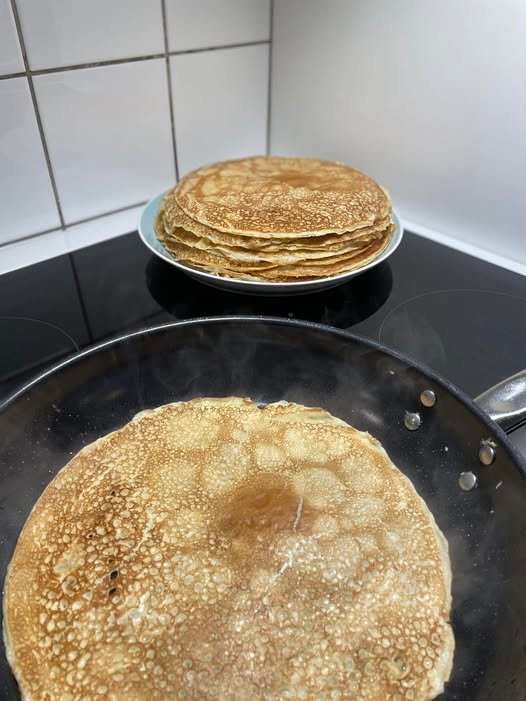
Swedish Pancakes (Svenska Pannkakor): A Classic Scandinavian Comfort
Swedish pancakes, known in Sweden as pannkakor, are a beloved staple of Scandinavian cuisine. Thin, soft, and delicately sweet, they sit somewhere between French crêpes and American pancakes—but with a personality all their own. Traditionally served rolled or folded and topped with lingonberry jam and whipped cream, Swedish pancakes are enjoyed for breakfast, brunch, dessert, or even as a cozy dinner known as pannkaksmiddag.
Unlike their thicker American counterparts, Swedish pancakes are made from a pourable batter that spreads easily across the pan, resulting in tender pancakes with lightly crisp edges and a melt-in-your-mouth texture. They’re simple to prepare, require minimal ingredients, and feel special without being complicated. Whether you’re new to Scandinavian cooking or revisiting a childhood favorite, this recipe brings an authentic taste of Sweden right to your kitchen.
What Makes Swedish Pancakes Different?
Swedish pancakes are thinner than American pancakes and slightly thicker than French crêpes. The batter contains eggs, milk, flour, sugar, salt, and butter, but no leavening agents like baking powder or baking soda. This creates a smooth, elastic texture rather than a fluffy one.
Another key difference is how they’re served. In Sweden, pancakes are rarely stacked. Instead, they’re rolled or folded and topped with traditional accompaniments such as lingonberry jam, whipped cream, fresh berries, or a dusting of powdered sugar. Savory versions also exist, but sweet toppings are the most common.
Ingredients for Swedish Pancakes
This recipe makes about 10–12 thin pancakes.
-
1 cup (240 ml) whole milk
-
2 large eggs
-
¾ cup (95 g) all-purpose flour
-
1 tablespoon sugar
-
¼ teaspoon salt
-
2 tablespoons melted butter, plus more for the pan
-
Optional: ½ teaspoon vanilla extract or cardamom for extra flavor
How to Make Swedish Pancakes
1. Prepare the Batter
In a large mixing bowl, whisk together the eggs and milk until fully combined. Gradually add the flour while whisking constantly to prevent lumps. Once smooth, whisk in the sugar, salt, and melted butter. If using vanilla or cardamom, add it now.
The batter should be thin—similar to heavy cream. If it feels too thick, add 1–2 tablespoons of milk until the consistency is right.
2. Rest the Batter
Let the batter rest for 10–15 minutes at room temperature. This step allows the flour to hydrate fully and helps create smoother, more flexible pancakes.
3. Heat the Pan
Heat a nonstick skillet or crêpe pan over medium heat. Lightly butter the pan, then swirl to coat evenly. You want the pan hot enough that the batter sizzles gently, but not so hot that it browns too quickly.
4. Cook the Pancakes
Pour about ¼ cup of batter into the center of the pan. Immediately tilt and rotate the pan so the batter spreads into a thin, even circle.
Cook for about 45–60 seconds, until the edges begin to lift and the bottom is lightly golden. Flip carefully using a thin spatula and cook the second side for 20–30 seconds.
Transfer the pancake to a plate and repeat with the remaining batter, buttering the pan as needed.
Traditional Swedish Pancake Toppings
Swedish pancakes shine with simple, high-quality toppings. Some classic options include:
-
Lingonberry jam – tart, slightly sweet, and iconic
-
Lightly whipped cream – balances the acidity of the berries
-
Fresh strawberries or blueberries
-
Powdered sugar
-
Maple syrup or honey (less traditional but still delicious)
To serve, spread a thin layer of jam over the pancake, add a spoonful of whipped cream, then roll or fold before eating.
Tips for Perfect Swedish Pancakes
-
Use a nonstick pan: This makes flipping easier and prevents tearing.
-
Keep the heat moderate: Too high, and the pancakes cook unevenly.
-
Whisk thoroughly: A smooth batter ensures delicate, even pancakes.
-
Stack with parchment if needed: If making a large batch, layer pancakes with parchment paper to prevent sticking.
Variations and Serving Ideas
-
Cardamom pancakes: Add ¼–½ teaspoon ground cardamom for a traditional Nordic flavor.
-
Gluten-free version: Substitute a 1:1 gluten-free flour blend.
-
Savory pancakes: Skip the sugar and serve with smoked salmon, sour cream, and dill.
In Sweden, pancakes are sometimes served after a bowl of yellow pea soup on Thursdays—a tradition that dates back centuries.
A Taste of Sweden at Home
Swedish pancakes are proof that simple ingredients can create something truly special. Soft, elegant, and endlessly adaptable, they’re perfect for slow weekend mornings or festive gatherings. Once you master the basic technique, you’ll find yourself coming back to this recipe again and again.