How Our Ears Reveal the State of Our Health
The ears are closely connected to the nervous system, circulatory system, and immune system. Because of this, physical changes, sensations, or symptoms in the ears can sometimes signal underlying health conditions.
1. Ear Shape and Skin Can Indicate Circulation and Aging
-
Creases in the earlobes (often called diagonal earlobe creases) have been associated in studies with cardiovascular risk. While not diagnostic, they may reflect changes in blood vessel health.
-
Pale or bluish ears can indicate poor circulation or low oxygen levels.
-
Red, hot ears may occur with inflammation, fever, stress, or hormonal changes.
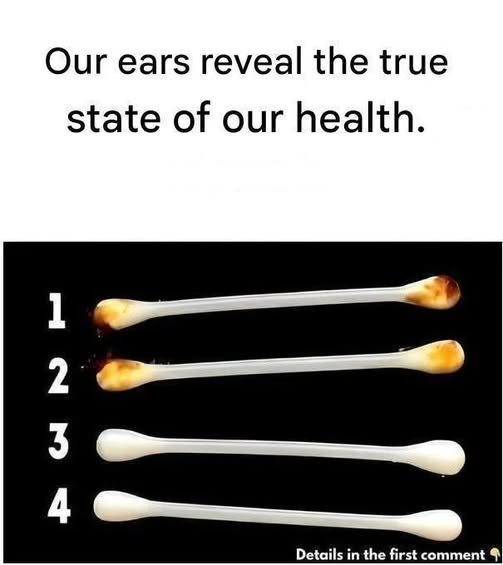
2. Earwax Tells a Story
Earwax (cerumen) isn’t just debris—it plays a protective role.
-
Dry, flaky earwax may be linked to dehydration or certain skin conditions.
-
Excessive buildup can occur with allergies, stress, or narrow ear canals.
-
Very dark or foul-smelling wax may signal infection.
Sudden changes in earwax type or amount are worth noting.
3. Ringing in the Ears (Tinnitus)
Tinnitus can be linked to:
-
Noise exposure
-
High blood pressure
-
Stress and anxiety
-
Certain medications
-
Circulatory issues
Persistent ringing shouldn’t be ignored, especially if it appears suddenly or on one side only.
4. Balance Issues and the Inner Ear
The inner ear controls balance through the vestibular system.
-
Dizziness or vertigo can be linked to inner ear disturbances, dehydration, viral infections, or neurological conditions.
-
Repeated balance problems may indicate issues beyond the ear itself, such as blood pressure irregularities.
5. Pain or Pressure Can Reflect More Than Ear Problems
-
Ear pressure can be linked to sinus congestion or allergies.
-
Referred ear pain sometimes originates from the jaw (TMJ), teeth, throat, or neck.
-
Chronic ear pain without infection may suggest nerve-related causes.
6. Hearing Changes and Overall Health
Sudden or gradual hearing loss can be associated with:
-
Cardiovascular health (blood flow to the inner ear)
-
Diabetes
-
Autoimmune conditions
-
Aging-related nerve changes
Because the inner ear is extremely sensitive to blood supply, hearing health often mirrors vascular health.
What Ears Can’t Do
While ears provide clues, they:
-
Cannot diagnose disease on their own
-
Should not replace blood tests, imaging, or professional exams
-
Can show changes that have many possible causes
They are best used as early warning signs, not final answers.
When to Pay Attention
You should seek medical advice if you notice:
-
Sudden hearing loss
-
Persistent ringing or dizziness
-
Pain, discharge, or swelling
-
Noticeable changes in ear color or skin texture
The Bottom Line
Our ears act like early messengers of health changes. Because they are sensitive to circulation, nerves, inflammation, and balance, they often reflect broader conditions in the body.
Paying attention to ear-related changes—and taking them seriously—can sometimes lead to earlier detection of health issues and better overall outcomes.