Nokedli Hungarian Dumplings Recipe (Traditional Galuska)
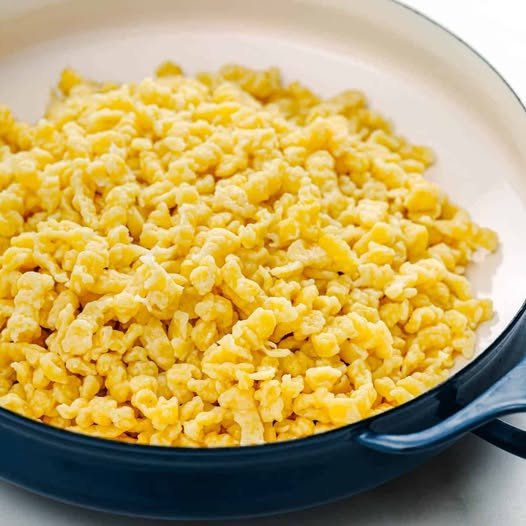
Nokedli, also known as galuska, are traditional Hungarian dumplings that are soft, tender, and incredibly comforting. Similar in appearance to German spaetzle, nokedli are a staple of Hungarian home cooking and are most famously served with Chicken Paprikash (Paprikás Csirke). Simple ingredients, quick preparation, and a pillowy texture make this dish a timeless classic in Hungarian cuisine.
These dumplings are not meant to be light and airy like gnocchi, nor chewy like pasta. Instead, they are soft, slightly irregular, and perfect for soaking up rich sauces. Best of all, nokedli come together in minutes and require no special skills—just a spoon, a bowl, and boiling water.
What Are Nokedli?
Nokedli are small, rustic dumplings made from flour, eggs, water, and salt. The batter is looser than dough but thicker than pancake batter. It is traditionally dropped or pressed directly into boiling water, where the dumplings cook almost instantly.
In Hungary, nokedli are everyday comfort food. They’re served with stews, gravies, sour cream–based sauces, or simply tossed with butter. Every household has its own variation, making them deeply personal and nostalgic.
Why You’ll Love This Recipe
-
Authentic Hungarian method
-
Simple pantry ingredients
-
Ready in under 20 minutes
-
No kneading required
-
Perfect with sauces and stews
This recipe delivers classic texture and flavor while remaining beginner-friendly.
Ingredients
Serves 4 as a side.
-
2 cups (250 g) all-purpose flour
-
2 large eggs
-
¾–1 cup (180–240 ml) water
-
1 teaspoon salt
-
1 tablespoon oil or melted butter (optional)
How to Make Nokedli (Hungarian Dumplings)
1. Bring Water to a Boil
Fill a large pot with well-salted water and bring it to a rolling boil. The water should taste like the sea—this is essential for flavor.
2. Make the Batter
In a large bowl, combine the flour and salt. Add the eggs and begin mixing with a wooden spoon.
Gradually add water while stirring until a thick, sticky batter forms. The texture should be soft and elastic, slowly falling off the spoon but not runny.
Do not overmix. The batter should look slightly rough—this gives nokedli their traditional texture.
3. Drop the Dumplings
There are several traditional ways to shape nokedli:
-
Spoon method: Dip a spoon into boiling water, scoop batter, and scrape small portions into the pot.
-
Board method: Spread batter on a wet cutting board and scrape small pieces into the water with a knife.
-
Nokedli or spaetzle press: Press batter directly into the boiling water.
Work in batches to avoid overcrowding the pot.
4. Cook Until Floating
The dumplings will sink at first, then float to the surface within 1–2 minutes. Once floating, cook for another 30 seconds, then remove with a slotted spoon.
Transfer to a bowl and lightly toss with oil or butter to prevent sticking.
Serving Suggestions
Nokedli are incredibly versatile and traditionally served with:
-
Chicken Paprikash (classic pairing)
-
Beef stew or goulash
-
Mushroom paprikash
-
Sour cream–based sauces
-
Fried cabbage or onions
-
Simply buttered with a pinch of salt
They also make a great substitute for pasta, rice, or potatoes.
Tips for Perfect Nokedli
-
Don’t overmix the batter—tough dumplings result from too much stirring
-
Use boiling water, not simmering
-
Work quickly—the batter thickens as it sits
-
Salt the water generously for authentic flavor
-
Serve immediately for best texture
Variations
-
Egg-free version: Replace eggs with extra water and a teaspoon of oil (texture will be softer)
-
Whole wheat: Replace up to ⅓ of the flour with whole wheat flour
-
Herbed nokedli: Add chopped parsley to the batter
-
Buttered onion nokedli: Toss cooked dumplings with sautéed onions
Storage and Reheating
Nokedli are best served fresh, but leftovers can be stored in the refrigerator for up to 2 days. Reheat gently in a skillet with butter or microwave briefly with a splash of water.
Avoid boiling again, as this can make them mushy.
A Beloved Hungarian Comfort Food
Nokedli are more than just dumplings—they’re a symbol of Hungarian home cooking. Simple, hearty, and deeply comforting, they turn any sauce into a complete meal. Once you master this recipe, you’ll find endless ways to enjoy them.