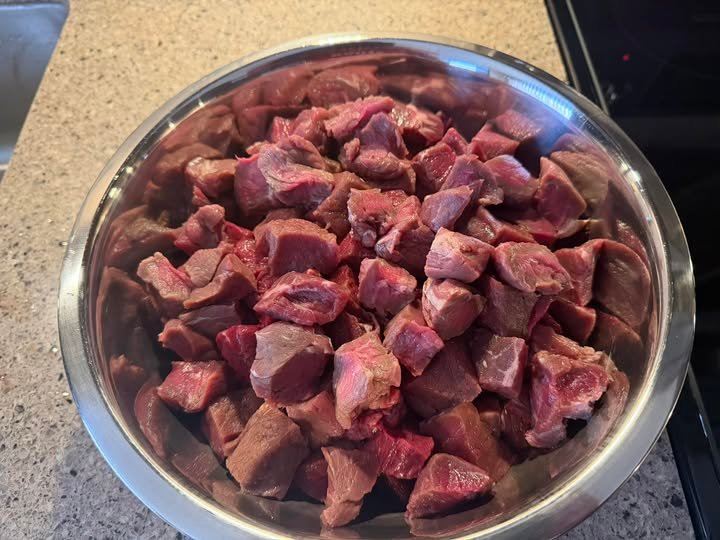
Moose Stew
A Hearty Northern Classic
Moose stew is a deeply comforting, slow-cooked dish rooted in the culinary traditions of Northern Europe, Canada, and Alaska. Known for its rich flavor and tender texture when properly cooked, moose meat transforms beautifully into a warming stew that’s perfect for cold weather and family gatherings.
This dish celebrates simple ingredients, patience, and respect for wild game, resulting in a nourishing meal with bold, earthy flavors.
What Does Moose Meat Taste Like?
Moose meat is:
-
Lean but flavorful
-
Richer than beef, but not gamey when prepared correctly
-
High in protein and iron
-
Low in fat
Because it’s lean, moose benefits from slow cooking, which makes it tender and juicy while allowing flavors to develop fully.
Why Moose Stew Is So Popular
Moose stew is beloved because it is:
-
Filling and nourishing
-
Perfect for large batches
-
Ideal for slow cooking
-
Rooted in traditional, sustainable cooking
It’s a dish designed to warm the body and satisfy after a long day outdoors.
Ingredients (Serves 4–6)
-
1 kg (2 lb) moose meat, cut into large cubes
-
2 tbsp vegetable oil or butter
-
1 large onion, chopped
-
3 cloves garlic, minced
-
3 carrots, sliced
-
3 potatoes, cubed
-
2 celery stalks, sliced
-
2 tbsp flour (optional, for thickening)
-
1 tbsp tomato paste
-
1 liter (4 cups) beef or game stock
-
1 bay leaf
-
1 tsp dried thyme
-
½ tsp rosemary (optional)
-
Salt and freshly ground black pepper, to taste
Optional additions: mushrooms, parsnips, turnips, juniper berries, or a splash of red wine.
Instructions
1. Prepare the Meat
Pat the moose meat dry with paper towels. Season generously with salt and pepper.
Tip: Dry meat browns better and develops more flavor.
2. Brown the Meat
Heat oil or butter in a large heavy pot or Dutch oven over medium-high heat.
Brown the moose meat in batches until deeply browned on all sides. Remove and set aside.
3. Build the Flavor Base
In the same pot, add onion and cook for 4–5 minutes until softened.
Add garlic and cook for 30 seconds.
Stir in tomato paste and flour (if using) and cook for 1–2 minutes to remove raw taste.
4. Add Vegetables and Liquid
Return the meat to the pot. Add carrots, celery, potatoes, bay leaf, thyme, rosemary, and stock.
Bring to a gentle boil, then reduce to low heat.
5. Slow Simmer
Cover and simmer gently for 2½ to 3 hours, stirring occasionally, until the meat is fork-tender.
Adjust seasoning near the end.
Tips for Tender Moose Stew
-
Never rush cooking—low and slow is essential
-
Avoid boiling aggressively, which toughens lean meat
-
Add potatoes later if you prefer firmer texture
-
Let stew rest 15–20 minutes before serving
Variations
Traditional Scandinavian Style
Add crushed juniper berries and serve with lingonberry sauce.
Canadian Wilderness Stew
Add mushrooms and a splash of red wine.
Creamy Moose Stew
Finish with a small amount of cream or sour cream.
Slow Cooker Method
Cook on LOW for 8 hours or HIGH for 5 hours.
Serving Suggestions
Moose stew pairs beautifully with:
-
Crusty bread or bannock
-
Mashed potatoes
-
Buttered noodles
-
Pickled vegetables
-
Simple green salad
Storage & Reheating
-
Refrigerate up to 3 days
-
Freeze for up to 3 months
-
Reheat gently on the stovetop
Like many stews, moose stew tastes even better the next day.
Why This Stew Works
The slow simmer breaks down connective tissue in the lean moose meat, while vegetables and herbs provide balance and depth. The result is a stew that is:
-
Rich without being heavy
-
Deeply flavorful
-
Comforting and satisfying
Final Thoughts
Moose stew is more than a meal—it’s a connection to nature, tradition, and thoughtful cooking. When prepared with care, moose meat becomes incredibly tender and flavorful, making this stew a timeless classic for cold days and shared tables.