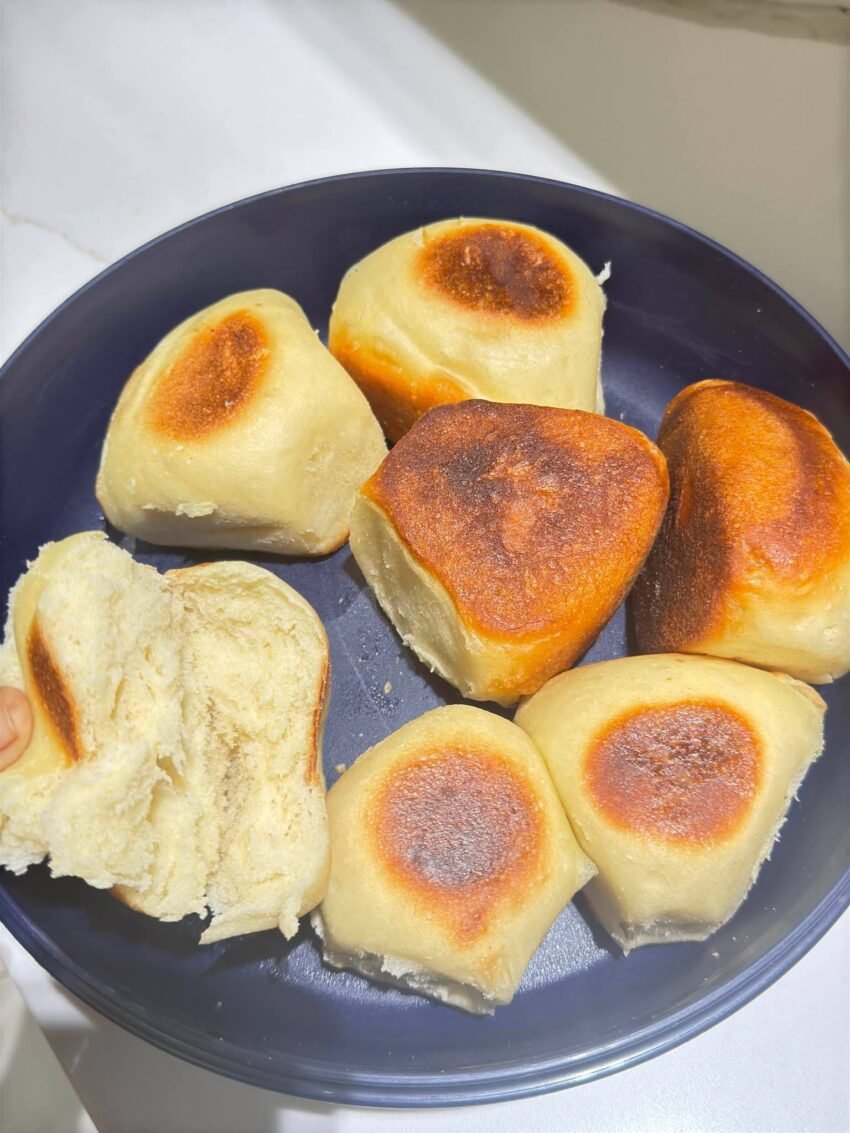
Homemade Mapakiwa
A Traditional Zimbabwean Snack
Mapakiwa is a beloved traditional Zimbabwean snack made from dried maize kernels roasted until they pop and crack open. Crunchy, nutty, and deeply satisfying, mapakiwa is often enjoyed as a street snack, at home during gatherings, or simply as a nostalgic treat passed down through generations.
Simple ingredients and traditional techniques make mapakiwa a beautiful example of how humble foods can deliver bold flavor and cultural meaning.
What Is Mapakiwa?
Mapakiwa is made by dry-roasting hard maize kernels (often white maize) until they burst open—not like popcorn, but into crunchy, irregular shapes with a roasted aroma.
It is:
-
Naturally gluten-free
-
Plant-based
-
Affordable and filling
-
Traditionally enjoyed plain or lightly salted
Mapakiwa is especially popular in rural communities and is often eaten by hand as a snack.
Why Mapakiwa Is Loved
-
Requires only one main ingredient
-
No oil or additives needed
-
Long shelf life when stored properly
-
Deep roasted maize flavor
-
Strong cultural significance
Ingredients
-
2 cups dried maize kernels (very dry, mature maize)
-
Salt, to taste (optional)
⚠️ Do not use fresh maize or popcorn kernels—mapakiwa requires hard dried maize.
Equipment Needed
-
Heavy-bottomed pan or cast-iron skillet
-
Lid (important for safety)
-
Wooden spoon
How to Make Homemade Mapakiwa
1. Sort and Clean the Maize
Carefully sort through maize kernels, removing stones or damaged grains.
Rinse quickly and dry completely—kernels must be very dry before roasting.
2. Preheat the Pan
Place a heavy pan over medium heat.
Do not add oil.
Allow the pan to heat thoroughly before adding maize.
3. Roast the Maize
Add a single layer of maize kernels to the hot pan.
Cover immediately with a lid.
As the kernels heat, they will begin to crack, split, and pop open.
Shake the pan occasionally to prevent burning.
4. Continue Roasting
Roast for 10–15 minutes, until most kernels have opened and turned golden to light brown.
Lower heat slightly if kernels brown too fast.
5. Cool and Season
Remove from heat and allow mapakiwa to cool completely.
Sprinkle lightly with salt if desired.
Tips for Perfect Mapakiwa
-
Always use fully dried maize
-
Roast in small batches for even cooking
-
Keep the lid on to prevent kernels from jumping out
-
Stir or shake frequently
-
Slight charring adds flavor—but avoid burning
How to Eat Mapakiwa
Mapakiwa is traditionally eaten:
-
Plain, as a crunchy snack
-
With a pinch of salt
-
Alongside roasted peanuts
-
During social gatherings or travel
Some people soak it briefly in water before eating, though it is commonly eaten dry.
Storage
-
Store in an airtight container
-
Keep in a cool, dry place
-
Lasts up to 2 weeks when properly stored
Ensure it is fully cooled before storing to prevent moisture buildup.
Nutritional Notes
Mapakiwa is:
-
High in carbohydrates
-
Naturally low in fat
-
Filling and energy-rich
-
Made without preservatives
It has long been valued as a practical, sustaining snack.
Cultural Significance
Mapakiwa represents:
-
Resourcefulness in traditional cooking
-
Community and shared meals
-
Knowledge passed through generations
It’s more than a snack—it’s a reminder of heritage, simplicity, and connection to the land.
Variations (Modern Twists)
-
Add chili powder for spice
-
Mix with roasted peanuts
-
Lightly season with paprika
-
Serve alongside dried fruit
Final Thoughts
Homemade mapakiwa is a beautiful example of traditional African food wisdom—simple, nourishing, and deeply satisfying. With just maize and heat, you can recreate a snack that has stood the test of time and continues to bring comfort and joy.
Whether you’re reconnecting with tradition or discovering mapakiwa for the first time, this recipe offers an authentic taste of Zimbabwean heritage.