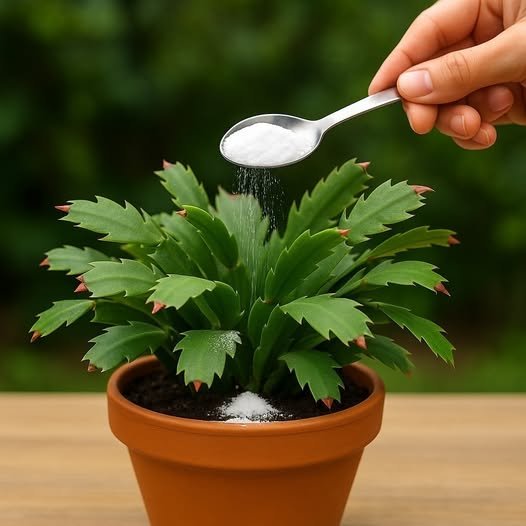
How to Encourage Faster Blooming
1. Use a High-Phosphorus Fertilizer
-
Phosphorus is essential for flower formation.
-
Look for fertilizers labeled with a higher middle number in the N-P-K ratio (e.g., 10-30-10).
-
Apply according to the package instructions, being careful not to over-fertilize.
2. Prune and Pinch
-
Remove dead or yellowing leaves to redirect energy to flowers.
-
For certain plants, pinching back stems encourages bushier growth and more blooms.
3. Proper Sunlight
-
Most flowering plants need at least 6 hours of direct sunlight daily.
-
Adjust placement if indoors or in shaded areas.
4. Water Wisely
-
Keep soil consistently moist but not soggy.
-
Avoid overwatering, which can weaken roots and delay flowering.
5. Boost with Homemade Plant Food
-
Mix 1 tablespoon of Epsom salt in 1 gallon of water.
-
Use as a soil drench once a month to supply magnesium and sulfur, which plants need to form blooms.
-
Some gardeners also add a tiny bit of diluted banana water (from mashed bananas in water) for extra potassium.
6. Maintain Good Soil Health
-
Healthy soil encourages roots to grow strong and support blooms.
-
Add compost or well-rotted organic matter to enrich soil naturally.
Bonus Tip: Stress Can Encourage Flowers
-
Some plants bloom more when slightly stressed (e.g., a little less water than usual or slight root restriction in pots).
-
Be cautious: stress should be mild, not enough to harm the plant.
Results:
-
With consistent care, plants like geraniums, marigolds, hibiscus, and roses often respond within 1–2 weeks with new buds and blooms.