Hungarian Kifli Cookies: A Traditional European Holiday Treat
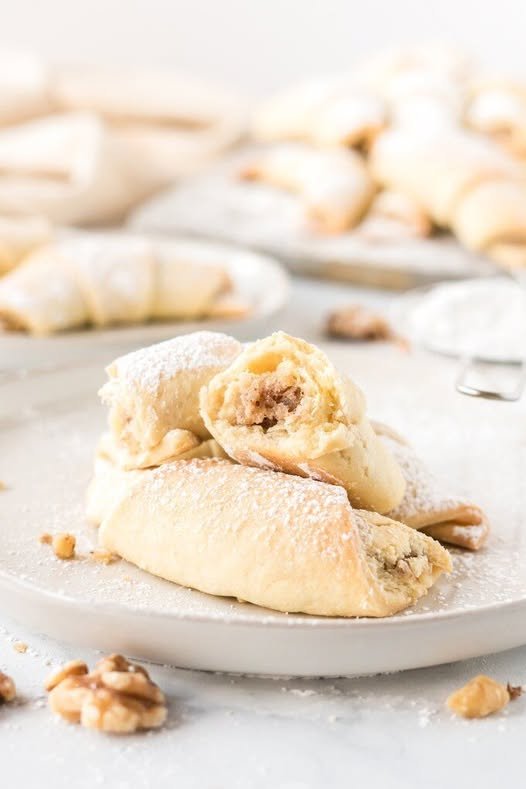
Hungarian Kifli cookies are a beloved traditional pastry that has been enjoyed across Central and Eastern Europe for generations. Delicate, crescent-shaped, and dusted generously with powdered sugar, these cookies are known for their tender, melt-in-your-mouth texture and rich nutty filling. Often prepared for holidays, weddings, and special family gatherings, kifli cookies represent comfort, heritage, and timeless baking traditions.
If you’ve ever enjoyed a cookie that feels light yet indulgent, simple yet deeply flavorful, Hungarian kifli cookies are sure to become a favorite.
What Are Hungarian Kifli Cookies?
The word kifli means crescent in Hungarian, referring to the cookie’s signature curved shape. These cookies are made from a soft, buttery dough that’s rolled thin, filled with a sweet nut mixture, shaped into crescents, baked until lightly golden, and finished with a generous coating of powdered sugar.
Kifli cookies are similar to other Central European crescent cookies, such as Austrian kipferl or Polish rogaliki, but Hungarian kifli are especially prized for their delicate dough and aromatic walnut filling.
A Brief History of Kifli Cookies
Kifli pastries date back centuries and are rooted in Austro-Hungarian culinary traditions. They were originally inspired by crescent-shaped breads and pastries symbolizing prosperity and good fortune. Over time, the recipe evolved into the sweet cookie version enjoyed today.
In Hungarian households, kifli cookies are often associated with Christmas and Easter, but they’re also baked year-round for celebrations. Recipes are traditionally passed down through generations, with each family adding their own subtle twist—some use walnuts, others prefer poppy seeds, almonds, or hazelnuts.
Ingredients for Hungarian Kifli Cookies
While variations exist, traditional Hungarian kifli cookies rely on simple, high-quality ingredients:
Dough Ingredients:
-
All-purpose flour
-
Unsalted butter (cold)
-
Sour cream or cream cheese
-
Egg yolk
-
Sugar
-
Vanilla extract
-
A pinch of salt
Filling Ingredients:
-
Finely ground walnuts (most traditional)
-
Powdered sugar
-
Vanilla sugar or vanilla extract
-
Milk or cream (to bind filling)
Finishing:
-
Powdered sugar for dusting
The absence of baking powder or yeast is key—kifli cookies rely on butter and technique for their tender texture.
How Hungarian Kifli Cookies Are Made
Step 1: Prepare the Dough
The dough is made by cutting cold butter into flour until crumbly, then mixing in sour cream, egg yolk, sugar, vanilla, and salt. The dough is kneaded gently until smooth, wrapped, and chilled for at least one hour. Chilling relaxes the gluten and ensures a flaky, tender cookie.
Step 2: Make the Nut Filling
Ground walnuts are mixed with powdered sugar, vanilla, and a small amount of milk or cream to create a soft, spreadable filling. The filling should be fragrant and slightly sweet, but not overpowering.
Step 3: Shape the Cookies
The chilled dough is rolled thin and cut into triangles or small squares. A small spoonful of filling is placed at the wide end, then the dough is rolled toward the tip and gently curved into a crescent shape.
Step 4: Bake
Cookies are baked at a moderate temperature until just lightly golden. Overbaking is avoided to preserve their soft interior.
Step 5: Coat in Powdered Sugar
While still warm, the kifli cookies are rolled or dusted generously in powdered sugar. This step is essential—it creates the iconic snowy appearance and adds sweetness without heaviness.
Tips for Perfect Hungarian Kifli Cookies
-
Keep Ingredients Cold: Cold butter ensures a tender, flaky texture.
-
Roll Dough Thin: Thin dough creates the signature melt-in-your-mouth result.
-
Don’t Overfill: Too much filling can cause leaking during baking.
-
Handle Gently: Avoid overworking the dough to keep cookies soft.
-
Dust Twice: Some bakers dust the cookies once warm and again after cooling for extra sweetness.
Variations You Can Try
While walnut filling is traditional, many delicious variations exist:
-
Poppy Seed Kifli: A classic alternative in Hungarian baking.
-
Almond Filling: Light and aromatic.
-
Hazelnut Filling: Rich and slightly chocolate-like.
-
Jam-Filled Kifli: Apricot or plum jam adds fruity sweetness.
-
Chocolate Kifli: A modern twist using cocoa or chocolate spread.
Each variation maintains the same crescent shape and powdered sugar finish.
When and How to Serve Kifli Cookies
Hungarian kifli cookies are incredibly versatile:
-
Holiday Platters: A staple at Christmas and Easter celebrations.
-
Afternoon Coffee or Tea: Perfect with espresso or black tea.
-
Gift Giving: Their elegant look makes them ideal for edible gifts.
-
Special Occasions: Weddings, birthdays, and family gatherings.
They are typically served at room temperature and enjoyed slowly, one delicate bite at a time.
Storage and Shelf Life
-
Room Temperature: Store in an airtight container for up to 5–7 days.
-
Refrigeration: Not recommended, as moisture affects texture.
-
Freezing: Unbaked kifli can be frozen and baked fresh when needed. Baked cookies can also be frozen for up to 2 months and dusted with sugar after thawing.
Why Hungarian Kifli Cookies Are So Beloved
Hungarian kifli cookies are cherished not just for their taste, but for what they represent: family tradition, patience, and celebration. Their simple ingredients transform into something elegant through careful technique and time-honored methods.
Light, tender, nutty, and softly sweet, kifli cookies stand as a reminder that some of the best desserts don’t need elaborate decorations or heavy fillings. Their charm lies in their simplicity and their connection to generations of home bakers.
Final Thoughts
Hungarian kifli cookies are a timeless European classic that deserves a place in every baker’s repertoire. Whether you’re honoring family traditions or discovering them for the first time, these crescent-shaped cookies offer warmth, nostalgia, and irresistible flavor.
With their buttery dough, aromatic walnut filling, and snowy powdered sugar coating, kifli cookies are more than just a dessert—they’re a celebration of heritage and homemade comfort, baked one crescent at a time.