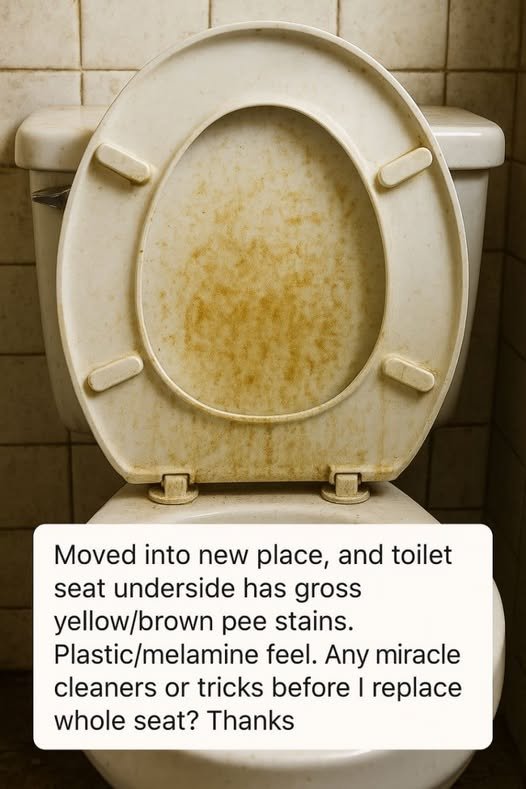
How to Remove Yellow-Brown Stains From a Plastic Toilet Seat
Yellow-brown stains on a plastic toilet seat are a common household problem—and an embarrassing one. Over time, plastic toilet seats can become discolored from urine residue, hard water minerals, body oils, cleaning product buildup, and general wear. Even with regular cleaning, these stains can gradually develop and become stubborn, making the seat look dirty even when it’s hygienically clean.
The good news is that most yellow-brown stains can be removed or significantly lightened with the right techniques and products. This guide explains why toilet seats discolor, what methods actually work, and how to prevent stains from returning.
Why Plastic Toilet Seats Turn Yellow or Brown
Understanding the cause of discoloration helps you choose the most effective cleaning method.
1. Urine Residue
Repeated exposure to urine—especially if not cleaned immediately—can cause yellow or brown staining on plastic surfaces. Over time, acids in urine react with the plastic, leading to discoloration.
2. Hard Water and Mineral Deposits
If you live in an area with hard water, minerals like calcium and iron can leave behind stains that gradually darken and turn yellow-brown.
3. Aging Plastic
Plastic toilet seats naturally degrade over time. Exposure to heat, cleaning chemicals, and UV light can cause the plastic to oxidize, resulting in a yellowed appearance that penetrates below the surface.
4. Harsh or Improper Cleaners
Bleach and ammonia, when used excessively or mixed with other cleaners, can damage plastic and make staining worse instead of better.
Before You Start: Safety and Preparation
Before attempting stain removal, take a few simple precautions:
-
Wear rubber gloves to protect your skin
-
Ventilate the bathroom well
-
Never mix cleaning products (especially bleach and vinegar)
-
Test any cleaner on a small, hidden area first
If the toilet seat is very old or deeply discolored, keep in mind that complete restoration may not be possible—but improvement almost always is.
Method 1: Baking Soda and Hydrogen Peroxide (Most Effective)
This is one of the best and safest methods for removing yellow-brown stains from plastic.
What You’ll Need:
-
Baking soda
-
3% hydrogen peroxide
-
Old toothbrush or soft scrub brush
-
Plastic wrap (optional)
Instructions:
-
Mix baking soda and hydrogen peroxide into a thick paste.
-
Spread the paste generously over the stained areas.
-
Cover with plastic wrap to prevent drying (optional but helpful).
-
Let sit for 30 minutes to 2 hours.
-
Scrub gently with a toothbrush.
-
Rinse thoroughly and dry.
Why it works: Baking soda lifts stains while hydrogen peroxide acts as a whitening agent that’s safe for plastic.
Method 2: White Vinegar for Mineral Stains
If hard water is the main cause, vinegar can be very effective.
Instructions:
-
Soak paper towels or cloths in white vinegar.
-
Place them directly on the stains.
-
Let sit for 30–60 minutes.
-
Scrub gently and rinse.
⚠️ Do not use vinegar immediately after bleach—this creates toxic fumes.
Method 3: Magic Eraser (Quick Fix)
Melamine foam sponges (commonly known as Magic Erasers) are great for surface stains.
Instructions:
-
Dampen the sponge with water.
-
Rub gently over the stained areas.
-
Rinse and dry.
Note: Use lightly. These sponges are mildly abrasive and can dull the finish if overused.
Method 4: Oxygen-Based Cleaners
Oxygen cleaners (like Oxi-type products) are safe for plastic and effective for discoloration.
Instructions:
-
Mix the cleaner according to package directions.
-
Apply to stains or soak removable seats in a tub.
-
Let sit for 1–2 hours.
-
Scrub lightly and rinse.
Method 5: When Bleach Should (and Shouldn’t) Be Used
Bleach can whiten plastic but should be used carefully.
Use bleach only if:
-
Other methods fail
-
The seat is white (not colored)
-
It’s diluted (never full strength)
Diluted Bleach Method:
-
Mix 1 tablespoon bleach with 1 quart water
-
Apply briefly (5–10 minutes)
-
Rinse thoroughly
Overuse of bleach can permanently damage plastic and increase yellowing over time.
When Stains Won’t Come Out
If stains remain after multiple treatments, the plastic may be permanently oxidized. At this point:
-
The discoloration is within the material, not on the surface
-
Continued scrubbing may damage the seat
-
Replacement may be the best option
Plastic toilet seats are inexpensive, and replacing one can dramatically improve the look of your bathroom.
How to Prevent Yellow-Brown Stains in the Future
Clean Regularly
Wipe the seat at least once a week using mild soap and water or a gentle bathroom cleaner.
Avoid Harsh Chemicals
Limit the use of bleach, ammonia, and abrasive powders.
Dry the Seat
Moisture contributes to staining. A quick wipe-down helps.
Address Hard Water
If hard water is an issue, consider a water softener or regular vinegar cleaning.
Final Thoughts
Yellow-brown stains on a plastic toilet seat are common but not hopeless. In most cases, simple household products like baking soda, hydrogen peroxide, and vinegar can restore your seat’s appearance. With regular maintenance and gentler cleaning methods, you can keep your toilet seat looking fresh and clean for years.