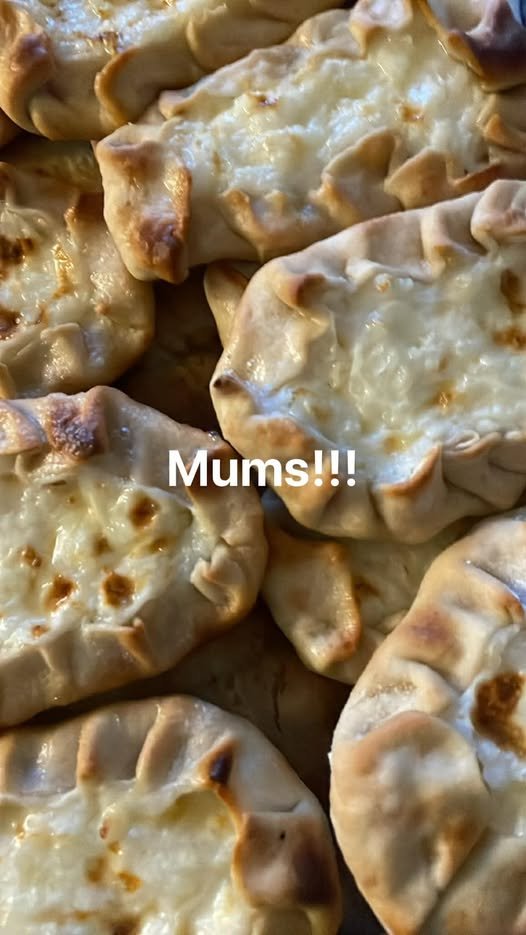
Homemade Karelian Pies (Karjalanpiirakat)
Karelian pies are a traditional Finnish pastry known for their thin rye crust and creamy rice filling. Simple, rustic, and deeply comforting, these pies are enjoyed fresh from the oven and traditionally served with egg butter. Though they look delicate, Karelian pies are surprisingly hearty and perfect for breakfast, lunch, or a savory snack.
This homemade version stays true to tradition while offering clear guidance for achieving the signature crispy-yet-tender crust and smooth rice filling.
Why You’ll Love This Recipe
-
Authentic Finnish traditional pastry
-
Thin, crisp rye crust with creamy filling
-
Made from simple, wholesome ingredients
-
Naturally vegetarian
-
Perfect for make-ahead and freezing
Recipe Overview
Prep Time: 40 minutes
Cook Time: 15–18 minutes
Filling Cook Time: 35–40 minutes
Oven Temperature: 475°F (245°C)
Yield: 12–15 pies
Difficulty Level: Intermediate
Ingredients
Rice Filling
-
1 cup short-grain rice
-
2 cups water
-
4 cups whole milk
-
1 teaspoon salt
Rye Crust
-
1½ cups rye flour
-
½ cup all-purpose flour
-
1 teaspoon salt
-
¾ cup cold water
For Finishing
-
¼ cup melted butter
-
¼ cup milk
Step-by-Step Instructions
Step 1: Make the Rice Filling
Rinse the rice thoroughly. In a saucepan, bring 2 cups water to a boil. Add rice and cook until most of the water is absorbed, about 5–7 minutes.
Reduce heat to low and slowly add milk, stirring frequently. Simmer gently for 35–40 minutes, stirring often to prevent sticking, until the mixture becomes thick and creamy. Add salt and let cool to room temperature.
The filling should be thick enough to hold its shape but still creamy.
Step 2: Prepare the Dough
In a mixing bowl, combine rye flour, all-purpose flour, and salt. Gradually add cold water, mixing until a firm but pliable dough forms.
Knead lightly for 2–3 minutes, just until smooth. Divide dough into 12–15 equal balls, cover with a towel, and let rest for 10 minutes to relax the dough.
Step 3: Shape the Crusts
On a lightly floured surface, roll each dough ball into a very thin oval, about 6–7 inches long. The thinner the crust, the more authentic the pie.
Place 2–3 tablespoons of rice filling in the center of each oval, spreading slightly lengthwise.
Step 4: Crimp the Edges
Fold the edges inward over the filling, pinching and crimping gently to create the classic open-faced boat shape. Leave the center exposed.
Repeat with all pies and place them on a parchment-lined baking sheet.
Step 5: Bake
Preheat the oven to 475°F (245°C). Bake the pies for 15–18 minutes, until the crust is firm and lightly browned.
Traditional ovens use very high heat to set the crust quickly while keeping the filling soft.
Step 6: Butter and Steam
Mix melted butter and milk in a small bowl. Immediately after baking, brush the hot pies generously with the butter mixture.
Cover the pies loosely with foil or a clean kitchen towel and let steam for 10 minutes. This softens the crust while keeping it tender.
Optional: Traditional Egg Butter
Mash together:
-
2 hard-boiled eggs, finely chopped
-
3 tablespoons softened butter
-
Pinch of salt
Serve spooned over warm pies.
Tips for Authentic Karelian Pies
-
Roll the dough very thin—thickness affects texture
-
Use short-grain rice for proper creaminess
-
High heat is essential for the traditional crust
-
Steam after baking to soften the rye crust
-
Serve warm for best flavor and texture
Storage and Reheating
-
Refrigerator: Store for up to 3 days
-
Freezer: Freeze baked pies for up to 2 months
-
Reheating: Warm in oven at 350°F (175°C) for 8–10 minutes, brushing lightly with butter if needed
Serving Suggestions
-
Traditional breakfast or lunch
-
Serve with egg butter or plain butter
-
Pair with soup or salad
-
Enjoy as a savory snack or picnic food
Final Thoughts
Homemade Karelian pies are a beautiful example of simple ingredients transformed through careful technique. The contrast between the thin rye crust and creamy rice filling makes them both comforting and satisfying. While shaping takes a little practice, the result is well worth the effort—and deeply connected to Finnish culinary tradition.