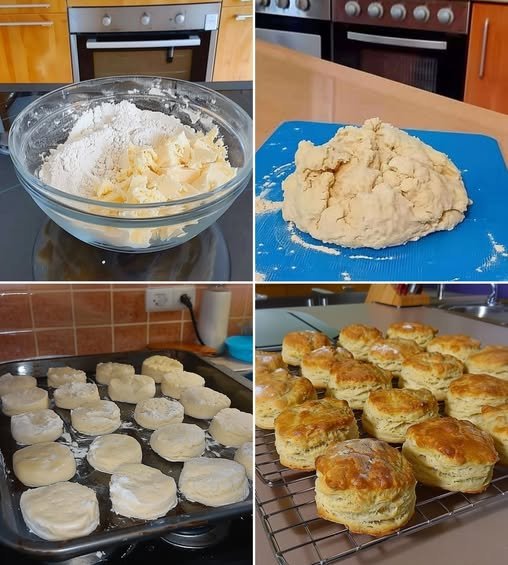
Gluten-Free Biscuits: Fluffy, Delicious, and Safe for Everyone
There’s nothing quite like the comforting taste of a warm, buttery biscuit fresh from the oven. But for those who are sensitive to gluten or have celiac disease, traditional biscuits made with wheat flour are off-limits. Fortunately, gluten-free biscuits offer all the flavor and texture of classic biscuits without the gluten, making them a versatile, delicious option for breakfast, brunch, or dinner.
What Makes a Biscuit Gluten-Free?
A traditional biscuit relies on wheat flour, which contains gluten—a protein that gives dough elasticity and structure. Gluten-free biscuits, on the other hand, use alternative flours such as:
-
Almond flour – Adds a slightly nutty flavor and tender texture.
-
Rice flour – Neutral in flavor and commonly used in gluten-free baking blends.
-
Oat flour – Adds lightness and a subtle sweetness.
-
Gluten-free all-purpose flour blends – Pre-mixed flours designed to replicate the texture of wheat flour.
Other ingredients like baking powder and xanthan gum are often included to help the biscuits rise and hold together.
Why Gluten-Free Biscuits Are Popular
Gluten-free baking has grown in popularity for several reasons:
-
Celiac Disease & Gluten Sensitivity: For people with celiac disease, consuming gluten can cause serious health issues. Gluten-free biscuits offer a safe alternative.
-
Versatility: Gluten-free biscuits can be sweet or savory, served with jams, honey, sausage gravy, or even as a base for sandwiches.
-
Delicious and Fluffy: Modern gluten-free baking techniques allow for biscuits that are just as light and tender as traditional ones.
-
Dietary Variety: Even those without gluten issues enjoy gluten-free biscuits for their unique flavors and textures.
Ingredients for Gluten-Free Biscuits
Here’s a list of commonly used ingredients for a simple gluten-free biscuit recipe:
-
2 cups gluten-free all-purpose flour (with xanthan gum included)
-
1 tablespoon baking powder
-
1/2 teaspoon salt
-
1/4 cup cold butter, cubed (or dairy-free alternative)
-
3/4 cup milk (or plant-based milk)
-
1 tablespoon honey or sugar (optional for slight sweetness)
Optional additions for flavor: shredded cheese, garlic powder, fresh herbs like rosemary or thyme.
Step-by-Step Instructions
Step 1: Preheat and Prepare
Preheat your oven to 425°F (220°C) and line a baking sheet with parchment paper.
Step 2: Mix Dry Ingredients
In a large bowl, whisk together gluten-free flour, baking powder, and salt.
Step 3: Cut in the Butter
Add cold cubed butter to the flour mixture. Use a pastry cutter, fork, or your fingers to blend until the mixture resembles coarse crumbs.
Step 4: Add Milk
Gradually pour in milk (or plant-based milk) while stirring. The dough should be slightly sticky but manageable.
Step 5: Form the Biscuits
Turn the dough onto a lightly floured surface. Gently knead 2–3 times to bring it together. Roll or pat the dough to about 1/2–3/4 inch thick. Use a biscuit cutter or cup to cut into circles.
Step 6: Bake
Place the biscuits on the prepared baking sheet and bake for 12–15 minutes, or until golden brown on top. Serve warm.
Tips for Perfect Gluten-Free Biscuits
-
Cold Butter: Keep the butter cold for flakier layers.
-
Do Not Overmix: Overworking gluten-free dough can make biscuits dense. Mix until just combined.
-
Use a Light Touch: When cutting biscuits, press straight down without twisting to maintain lift.
-
Add Moisture if Needed: Gluten-free flours can be drier, so a tablespoon of extra milk may be needed.
-
Experiment with Flours: Some people prefer a mix of rice flour, almond flour, and tapioca starch for the best texture.
Serving Suggestions
-
Breakfast: Serve with butter, jam, or honey. Pair with eggs and bacon for a classic breakfast plate.
-
Lunch/Dinner: Use as a side for soups, stews, or chili.
-
Sausage Gravy: Classic southern-style biscuits with creamy sausage gravy—gluten-free friendly if you use gluten-free flour for the gravy.
-
Biscuits and Cheese: Add shredded cheddar and herbs to the dough for a savory snack.
Common Mistakes in Gluten-Free Biscuits
-
Using Too Much Flour: Gluten-free dough is naturally stickier than wheat dough; adding too much flour can make biscuits dry.
-
Overbaking: Gluten-free biscuits brown quickly; keep an eye to prevent dryness.
-
Skipping Leavening Agents: Baking powder is crucial; without it, biscuits won’t rise properly.
-
Ignoring Moisture Needs: Some gluten-free flours absorb more liquid, so don’t be afraid to adjust milk quantities slightly.
Why Gluten-Free Biscuits Are a Game-Changer
Gluten-free biscuits are no longer an afterthought or compromise. With the right ingredients and technique, they can rival—or even surpass—traditional wheat-based biscuits in flavor, texture, and fluffiness. They allow people with dietary restrictions to enjoy the comforting, versatile goodness of biscuits without worry.
Whether served at breakfast, brunch, or dinner, gluten-free biscuits are a crowd-pleaser for everyone at the table. They embody the perfect balance of soft, tender layers with a golden, buttery crust, making them ideal for sweet or savory toppings.
Storage and Reheating
-
Refrigeration: Store biscuits in an airtight container for up to 3 days.
-
Freezing: Freeze biscuits for up to 2 months. Reheat in the oven at 350°F (175°C) for 5–7 minutes to refresh their texture.
-
Avoid Microwaving: Microwave can make gluten-free biscuits gummy; oven reheating works best.
Final Thoughts
Gluten-free biscuits prove that dietary restrictions don’t mean sacrificing taste. With the right flour blends, proper techniques, and a few helpful tips, you can enjoy fluffy, buttery, and golden biscuits just like the traditional version.
From breakfast spreads to dinner sides, sweet jams to savory gravies, these biscuits are versatile, delicious, and accessible for everyone. With this guide, anyone—gluten-free or not—can master biscuits that are soft on the inside, golden on the outside, and impossible to resist.