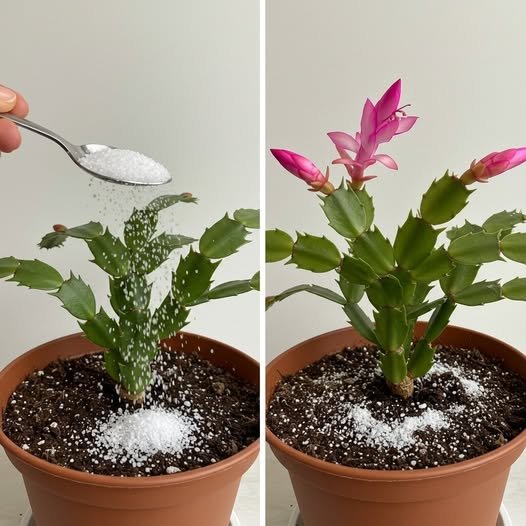
Fall Awakening: Breathing Life into House Flowers with a Little Secret
As the leaves turn golden and the crisp air of fall settles in, many of us start noticing the changing mood of our homes. Summer blooms have faded, outdoor gardens are slowing down, and the once vibrant greenery inside our living spaces may look tired and lackluster. But just because autumn is here doesn’t mean your indoor flowers have to succumb to the seasonal slump. With a little care, some attention, and a clever secret, you can awaken your houseplants and give them a new lease on life this fall.
In this article, we’ll explore practical tips, natural remedies, and expert tricks to revitalize indoor flowers, making your home feel warm, inviting, and alive despite the shorter days and cooler temperatures.
Understanding the Fall Challenge
Indoor flowers, like any living organism, respond to changes in their environment. In the fall, several factors contribute to the apparent decline in their vitality:
-
Reduced natural light: Shorter days mean your plants get less sunlight, which affects photosynthesis and slows growth.
-
Dry indoor air: Central heating dries out the air in most homes, causing leaves to wilt and flowers to lose their vibrancy.
-
Temperature fluctuations: Windowsills and rooms that experience cold drafts or fluctuating temperatures can stress plants.
-
Nutrient depletion: Soil nutrients may be exhausted after months of growth and flowering, leaving plants looking tired.
Recognizing these challenges is the first step toward helping your house flowers thrive throughout the fall season.
Breathing Life Back into Your House Flowers
Revitalizing your indoor flowers doesn’t have to be complicated or expensive. Here are some tried-and-true strategies:
1. Give Them a Gentle Pruning
Removing dead or yellowing leaves is more than just a cosmetic fix. Pruning helps the plant redirect its energy toward healthy growth. For flowering plants, trimming spent blooms can also encourage new flowers to emerge, even in the fall. Be careful not to over-prune; focus on damaged foliage and faded blossoms.
2. Adjust Watering and Humidity
Many houseplants are sensitive to the dry air of autumn, so it’s important to monitor their water needs carefully. Overwatering can lead to root rot, while underwatering stresses the plant. A good rule of thumb is to check the soil moisture before watering—if the top inch feels dry, it’s time to water.
Adding humidity can also be a game-changer. Place plants on a tray of water with pebbles, use a room humidifier, or group plants together to create a micro-environment with higher humidity. These small adjustments can drastically improve the overall health and appearance of your flowers.
3. Relocate for Optimal Light
As sunlight diminishes, moving your house flowers closer to windows or brighter spots can help compensate for the shorter days. South-facing windows are ideal in the northern hemisphere, but avoid direct scorching sunlight that can burn leaves. A little extra light in the morning or afternoon can give your plants the boost they need.
The Little Secret: Nutrient Boost with Homemade Plant Elixirs
Here’s where the magic happens. One simple, natural secret can dramatically revive your house flowers and keep them vibrant through the fall: homemade nutrient-rich plant elixirs. These DIY remedies provide essential minerals and organic nutrients that plants crave after a long summer of growth.
Eggshell Elixir
Crushed eggshells are a natural source of calcium, which strengthens cell walls and promotes new leaf growth. To use:
-
Rinse and crush 2–3 eggshells into small pieces.
-
Place them in a cup or jar and pour boiling water over them.
-
Let the mixture steep for 24 hours.
-
Use the water to gently water your plants, giving them a calcium boost.
Coffee or Tea Infusion
Mildly acidic soils benefit plants like azaleas, gardenias, and African violets. Using cooled coffee grounds or weak tea infusions can gently enrich the soil:
-
Brew a small cup of coffee or tea.
-
Allow it to cool completely.
-
Pour over the soil once a week to stimulate growth and enrich nutrients.
Banana Peel Magic
Banana peels are rich in potassium and phosphorus, essential for flowering and root development. Simply chop up a peel and bury it slightly in the soil near the plant’s base. Over time, the peel breaks down, naturally feeding the plant.
Seasonal Care Tips for Long-Lasting Vibrancy
-
Rotate Your Plants: Turn pots periodically to ensure all sides receive light and grow evenly.
-
Clean the Leaves: Dust reduces the plant’s ability to photosynthesize. Wipe leaves gently with a damp cloth.
-
Avoid Fertilizer Overload: Fall is a time to reduce heavy feeding; lighter doses encourage steady growth without stressing the plant.
-
Watch for Pests: Fall can bring indoor pest activity. Keep an eye out for aphids or spider mites and treat naturally if possible.
Decorating with Revitalized Flowers
Once your flowers are thriving again, it’s time to bring them into your fall décor. Vibrant houseplants can brighten windowsills, coffee tables, and entryways. Mix flowering plants with autumn foliage, pumpkins, or candles for a seasonal touch that feels cozy and alive.
Final Thoughts
Reviving your house flowers in the fall doesn’t require a greenhouse or expensive treatments. With attention, proper care, and a little secret nutrient boost, your indoor garden can flourish despite the seasonal changes.
Remember: the key is observation and gentle intervention. Adjust watering, improve light, prune where necessary, and provide natural nutrients. Your house flowers will reward your efforts with vibrant colors, healthy leaves, and perhaps even new blooms.
Fall is not a time to surrender your indoor plants to dormancy; it’s a season of renewal and subtle growth, and with these tips, you can enjoy a lush, inviting, and colorful home all autumn long.