Difference Between Green Onions, Scallions, Spring Onions, and Chives
When it comes to cooking, onions are a staple ingredient that adds flavor, aroma, and a bit of bite to dishes. However, the world of mild onions can be confusing. Terms like green onions, scallions, spring onions, and chives are often used interchangeably in recipes, but they aren’t exactly the same. Understanding the differences will help you choose the right ingredient for your dishes, whether you are making a salad, soup, or garnish.
1. Green Onions
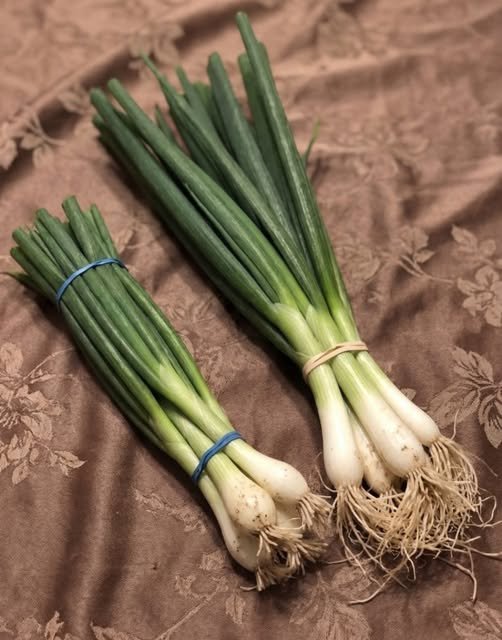
Green onions are young onions harvested before the bulb fully develops. Both the white base and the green stalk are edible and flavorful. They have a mild, slightly peppery taste that is less intense than regular onions, making them ideal for raw use or light cooking.
-
Appearance: Thin, small white bulbs with long, hollow green stalks.
-
Flavor: Mild, slightly sweet, less pungent than mature onions.
-
Uses: Perfect for salads, stir-fries, omelets, tacos, and as a garnish.
-
Storage: Store in the fridge in a perforated bag; they last about 1 week.
Green onions are versatile because both the white and green parts can be used. The white portion has a stronger onion flavor and works well in sautés, while the green tops add color and mild onion flavor as a fresh garnish.
2. Scallions
The term scallions is often used interchangeably with green onions in the U.S., but in some regions, scallions may refer specifically to a slightly older stage of green onions where the bulb is just beginning to swell. Like green onions, they have a long green stalk and a small white bulb.
-
Appearance: Very similar to green onions, with long green stems and small white bulbs.
-
Flavor: Mild, oniony flavor, not as sharp as mature onions.
-
Uses: Ideal raw in salads or as a topping for soups, baked potatoes, and Asian dishes.
-
Storage: Keep in the refrigerator; use within a week for best flavor.
Scallions are incredibly common in Asian cuisine, especially in stir-fries, fried rice, and garnishes for noodles. Because they’re young onions, they cook quickly and rarely overpower a dish.
3. Spring Onions
Spring onions are slightly more mature than green onions. They have a noticeable bulb at the base, which is still small but more developed than green onions or scallions. Their flavor is stronger than that of scallions, but still milder than regular onions.
-
Appearance: Small, round bulb at the base, long green tops.
-
Flavor: Mildly sweet, slightly sharper than green onions.
-
Uses: Can be eaten raw in salads, roasted, grilled, or sautéed. The bulb and stalk are both edible.
-
Storage: Store in the fridge; best used within a few days.
Spring onions are a great choice when a recipe calls for a little more onion flavor without being overpowering. They also caramelize nicely when roasted, making them excellent for soups or side dishes.
4. Chives
Chives are a different type of onion entirely. They belong to the same family as garlic and onions but are grown primarily for their tender, hollow green stalks. Chives have a delicate onion flavor, much milder than any other onion variety. Unlike green onions or spring onions, chives are never used for their bulb.
-
Appearance: Thin, hollow green stalks resembling grass; no significant bulb.
-
Flavor: Very mild onion flavor, slightly garlicky.
-
Uses: Best used raw as a garnish for soups, salads, baked potatoes, scrambled eggs, and cream cheese spreads.
-
Storage: Wrap in a damp paper towel and refrigerate; they last 5–7 days.
Chives are delicate and cook very quickly, so they’re usually added at the end of cooking or sprinkled raw to preserve their fresh, bright flavor.
Key Differences at a Glance
| Feature | Green Onions | Scallions | Spring Onions | Chives |
|---|---|---|---|---|
| Bulb size | Small, immature | Small, immature | Small but noticeable | None (thin stalks only) |
| Flavor | Mild | Mild | Mildly sweet, stronger than green onion | Very mild, delicate |
| Uses | Raw or cooked | Raw or cooked | Raw or cooked, bulbs can be roasted | Raw, garnish |
| Edible parts | White + green tops | White + green tops | White + green tops | Green stalks only |
| Cooking time | Short | Short | Short to medium | Very short, mostly raw |
Tips for Using These Mild Onions
-
Substitution:
-
Green onions and scallions can usually be substituted for each other in most recipes.
-
Spring onions can replace green onions if you want more flavor, but reduce the quantity slightly to avoid overpowering.
-
Chives cannot replace other onions for bulk or cooking; they are a garnish and flavor enhancer.
-
-
Cooking:
-
The white parts of green onions, scallions, and spring onions are better suited for cooking.
-
The green tops are more delicate and usually added at the end of cooking or raw for garnish.
-
Chives should rarely be cooked; heat diminishes their flavor.
-
-
Storage:
-
Wrap onions in a damp paper towel and place in the fridge to extend freshness.
-
Use chives quickly as they are delicate.
-
Why Knowing the Difference Matters
Using the right type of onion can make a noticeable difference in flavor and texture:
-
Raw dishes: Green onions or chives provide freshness without sharpness.
-
Cooked dishes: Spring onions add mild sweetness, while the green tops add color.
-
Garnish: Chives and green tops of scallions elevate appearance and flavor.
Confusing scallions with chives could result in a bland or overcooked dish, so knowing the subtle differences ensures your meals taste exactly as intended.
Conclusion
While green onions, scallions, spring onions, and chives all belong to the onion family, their flavor, appearance, and culinary uses vary significantly:
-
Green onions and scallions: Mild, versatile, white + green parts edible.
-
Spring onions: Slightly stronger, with a noticeable bulb, great for roasting.
-
Chives: Delicate, thin stalks used primarily as a garnish.
Understanding these differences allows cooks to choose the best onion for each dish, whether you are adding a pop of color, a mild onion flavor, or a tender garnish. The next time a recipe calls for “green onions,” you’ll know whether scallions, spring onions, or chives will give you the perfect flavor and texture.