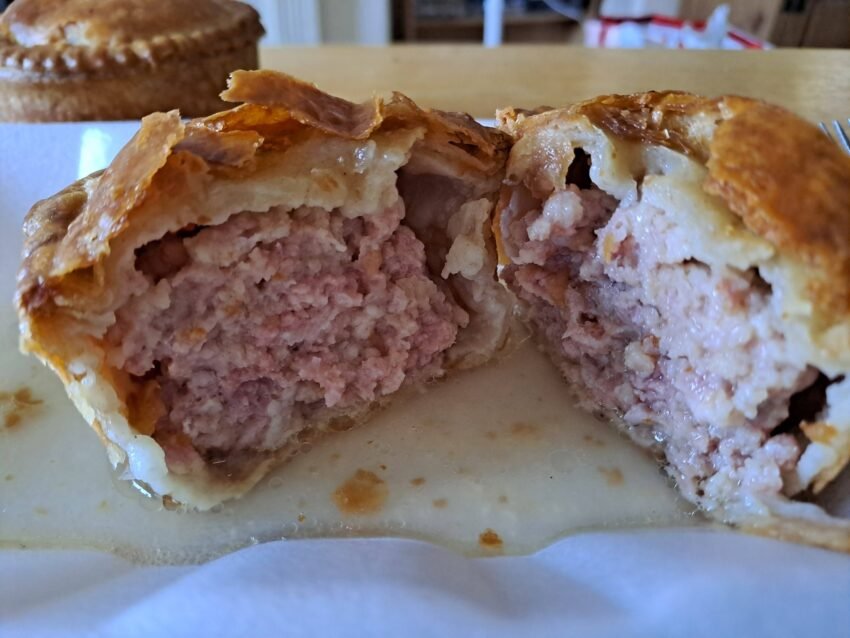
British Pork Pie: A Timeless Classic of Traditional Baking
The British pork pie is one of the most iconic and enduring foods in British cuisine. Instantly recognizable by its firm hot-water crust pastry, rich pork filling, and signature layer of jelly, this pie has been enjoyed for centuries. Whether eaten cold at a picnic, served with chutney at a pub, or enjoyed as part of a ploughman’s lunch, the pork pie is a true symbol of British food heritage.
Simple, hearty, and deeply satisfying, the British pork pie remains as popular today as it was generations ago.
What Is a British Pork Pie?
A traditional British pork pie is a cold-cut meat pie made with seasoned pork encased in a sturdy hot-water crust pastry. Unlike many pies that are served hot, pork pies are traditionally eaten cold, making them ideal for travel, picnics, and packed lunches.
What truly sets a pork pie apart is the jellied stock poured into the pie after baking. This jelly fills the gaps between the meat and pastry, adding moisture, flavor, and preserving qualities.
A Brief History of the Pork Pie
Pork pies date back to medieval England, when pies were commonly used as a way to preserve meat. The thick pastry crust acted as a container, keeping the filling protected for extended periods.
The pork pie we recognize today became especially popular in the 18th and 19th centuries, particularly in the town of Melton Mowbray in Leicestershire. This region became famous for producing pork pies using uncured pork, giving the filling a pale pink-grey color rather than the darker tone of cured meats.
Today, the Melton Mowbray Pork Pie holds Protected Geographical Indication (PGI) status, meaning it must be made in a specific way and location to carry the name.
Key Components of a Traditional Pork Pie
Pork Filling
The filling is made from coarsely chopped pork, traditionally from the shoulder or leg, which provides the right balance of meat and fat. The pork is seasoned simply with salt, white pepper, and sometimes nutmeg or mace. The goal is to let the natural flavor of the pork shine.
Hot-Water Crust Pastry
This pastry is made by heating water and fat (usually lard) together, then mixing it into flour. The result is a strong, pliable dough that can be shaped by hand while warm. Once baked, it becomes firm and sturdy, perfect for holding the filling and jelly.
Jelly
The jelly is made from pork stock, often using trotters or bones rich in natural gelatin. After baking, the stock is poured into holes in the pastry lid, where it sets as the pie cools.
How British Pork Pie Is Made
Step 1: Prepare the Pastry
Hot water and lard are heated until melted, then mixed with flour to form a warm dough. The pastry is shaped by hand or pressed into a mould.
Step 2: Make the Filling
Coarsely chopped pork is seasoned and packed tightly into the pastry case to reduce air gaps.
Step 3: Add the Pastry Lid
A pastry lid is sealed on top, and a small hole is cut in the center to allow steam to escape and later to pour in the jelly.
Step 4: Bake
The pie is baked until the pastry is firm and golden and the pork is fully cooked.
Step 5: Add the Jelly
Once baked and slightly cooled, warm stock is poured through the hole in the lid. As the pie cools completely, the stock sets into jelly.
How Pork Pie Is Traditionally Served
British pork pie is most often served cold, sliced or whole, and enjoyed with simple accompaniments:
-
English mustard
-
Branston pickle or piccalilli
-
Crusty bread
-
Cheese, especially cheddar or Stilton
-
Fresh apples or salad
It’s a staple at picnics, buffets, pubs, and celebratory spreads.
Variations of Pork Pie
While the classic pork pie remains unchanged, there are several popular variations:
-
Melton Mowbray Pork Pie: Hand-formed with a bowed-out appearance
-
Mini Pork Pies: Perfect for snacks and parties
-
Pork and Apple Pie: Adds sweetness to the filling
-
Pork and Sage Pie: A fragrant herb addition
-
Game Pork Pies: Including venison or pheasant
Despite variations, the defining elements—hot-water crust and jelly—remain essential.
Why Pork Pie Is Still So Popular
The enduring popularity of the British pork pie lies in its practicality and flavor. It’s filling, portable, and satisfying, with a balance of rich meat, firm pastry, and savory jelly. Unlike modern pies that rely on sauces or gravies, the pork pie’s simplicity is part of its charm.
It also holds a strong sense of nostalgia, reminding many people of family gatherings, local butchers, and traditional British food culture.
Storage and Shelf Life
-
Refrigeration: Store in the fridge and consume within 3–4 days once cut
-
Whole Pies: Keep longer than sliced pies due to reduced exposure
-
Not Suitable for Freezing: Jelly texture may be affected
Pork pies should always be kept chilled and handled with care.
Cultural Significance
The pork pie is more than just food—it’s part of British identity. From village fêtes to Christmas buffets, from pub lunches to race-day picnics, pork pies are woven into everyday life across the UK.
They also represent the craftsmanship of traditional butchery and baking, skills passed down through generations.
Final Thoughts
The British pork pie is a true culinary classic, combining simple ingredients with time-honored techniques. Its firm pastry, seasoned pork, and savory jelly create a dish that has stood the test of time without needing reinvention.
Whether you enjoy it as a quick lunch, a picnic staple, or part of a traditional spread, the pork pie remains a proud symbol of British food heritage—honest, hearty, and deeply satisfying.