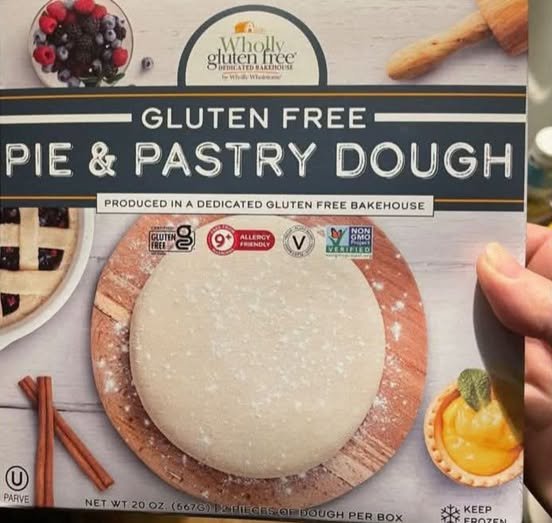
Gluten-Free Pie Crust (Flaky, Buttery & Foolproof)
A good pie crust should be tender, flaky, and sturdy enough to hold its filling without becoming tough. This gluten-free pie crust delivers all of that—without the frustration that often comes with gluten-free baking. It rolls out smoothly, bakes up golden, and tastes just like a classic homemade crust.
Whether you’re making apple pie, pumpkin pie, quiche, or a savory pot pie, this crust is a dependable base you’ll come back to again and again.
Why This Gluten-Free Pie Crust Works
Gluten-free pie crust can be tricky because gluten is what normally provides elasticity and structure. This recipe balances fat, moisture, and a high-quality gluten-free flour blend to create a crust that:
-
Rolls without cracking
-
Holds together after baking
-
Bakes up flaky, not crumbly
-
Works for sweet or savory pies
-
Can be made dairy-free
A short rest time allows the flour to hydrate fully, improving both texture and flavor.
Ingredients
Dry Ingredients
-
1 ½ cups gluten-free all-purpose flour (with xanthan gum)
-
1 tablespoon sugar (omit for savory pies)
-
½ teaspoon salt
Fat
-
½ cup (1 stick) cold unsalted butter, cubed
or dairy-free butter for dairy-free crust
Liquid
-
1 large egg
-
2–4 tablespoons ice water (as needed)
Best Gluten-Free Flour for Pie Crust
For best results, use a gluten-free all-purpose flour blend that contains xanthan gum. Popular blends designed for baking perform better than single flours. If your blend does not contain xanthan gum, add ½ teaspoon to the dry ingredients.
Avoid almond flour or coconut flour alone—they lack the structure needed for a flaky pie crust.
How to Make Gluten-Free Pie Crust
Step 1: Mix the Dry Ingredients
In a large bowl, whisk together the gluten-free flour, sugar, and salt. Whisking evenly distributes the ingredients and prevents clumping.
Step 2: Cut in the Butter
Add the cold, cubed butter to the flour mixture. Using a pastry cutter, fork, or your fingertips, work the butter into the flour until the mixture resembles coarse crumbs with some pea-sized pieces remaining.
Those visible butter pieces are key to a flaky crust.
Step 3: Add Egg and Water
Add the egg and mix gently. Drizzle in ice water, one tablespoon at a time, mixing just until the dough comes together. The dough should be slightly moist but not sticky.
Gluten-free dough will feel softer than traditional dough—this is normal.
Step 4: Chill the Dough
Shape the dough into a disk, wrap tightly in plastic wrap, and refrigerate for at least 30 minutes. Chilling firms up the butter and makes the dough easier to roll.
Step 5: Roll Out the Crust
Place the chilled dough between two sheets of parchment paper lightly dusted with gluten-free flour. Roll into a circle about 12 inches in diameter and ⅛ inch thick.
Peel off the top parchment, invert the dough into your pie dish, then remove the second sheet. Gently press the dough into the pan and trim or crimp the edges.
Step 6: Bake According to Your Recipe
-
For no-bake or custard pies: Blind bake the crust.
-
For fruit pies: Fill and bake as directed.
How to Blind Bake Gluten-Free Pie Crust
-
Preheat oven to 375°F (190°C).
-
Line the crust with parchment paper and fill with pie weights or dried beans.
-
Bake for 15 minutes.
-
Remove weights and parchment, then bake 5–10 more minutes until lightly golden.
Allow the crust to cool before adding filling.
Tips for Perfect Gluten-Free Pie Crust
-
Keep ingredients cold – cold butter = flaky crust
-
Don’t overwork the dough – mix just until combined
-
Use parchment paper – prevents sticking and cracking
-
Patch cracks easily – gluten-free dough is forgiving
If the edges crack while rolling, simply press them back together with your fingers.
Variations
Dairy-Free Pie Crust
Use high-quality dairy-free butter sticks. Avoid soft tub spreads, which can make the crust greasy.
Savory Pie Crust
Omit sugar and add:
-
½ teaspoon garlic powder
-
½ teaspoon dried herbs (thyme or rosemary)
Perfect for quiche, chicken pot pie, or vegetable tarts.
Sweet Pie Crust
Add:
-
1–2 tablespoons extra sugar
-
½ teaspoon cinnamon or vanilla extract
Great for fruit pies and dessert tarts.
Storage & Make-Ahead Tips
-
Refrigerate dough: Up to 2 days, tightly wrapped
-
Freeze dough: Up to 3 months
-
Freeze baked crust: Cool completely, then freeze up to 2 months
Thaw overnight in the refrigerator before using.
Final Thoughts
This gluten-free pie crust proves that you don’t need gluten to make a beautiful, flaky pie. With simple ingredients and a straightforward method, you can create pies that everyone will love—gluten-free or not.