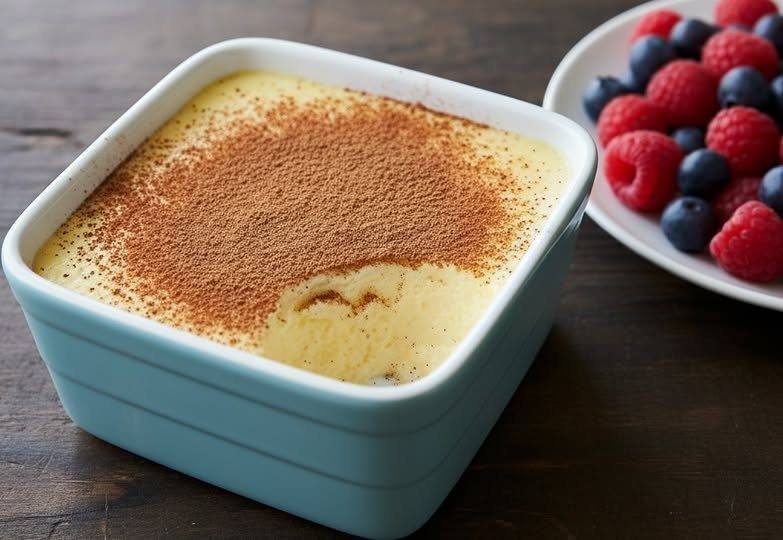
Classic Egg Custard Recipe: Smooth, Creamy, and Comforting
Egg custard is one of those timeless desserts that never goes out of style. Made with simple pantry ingredients—eggs, milk, sugar, and vanilla—this silky, gently baked dessert is loved for its delicate texture and comforting flavor. Whether served warm or chilled, egg custard is the kind of treat that feels nostalgic, soothing, and deeply satisfying.
Perfect for family dinners, holidays, or when you’re craving a light dessert, this classic egg custard recipe is easy to make and wonderfully versatile.
Why You’ll Love This Egg Custard
-
Simple ingredients you already have at home
-
Smooth, creamy texture with no flour or starch
-
Light yet satisfying dessert
-
Naturally gluten-free
-
Can be flavored or customized easily
Ingredients
-
2 cups whole milk (or half-and-half for richer custard)
-
3 large eggs
-
⅓ cup granulated sugar
-
1 teaspoon vanilla extract
-
¼ teaspoon salt
-
Optional: ground nutmeg or cinnamon for topping
Equipment Needed
-
Mixing bowl
-
Whisk
-
Saucepan
-
Fine strainer (optional, for extra smooth custard)
-
4–6 ramekins or a baking dish
-
Large baking pan (for water bath)
Instructions
Step 1: Preheat the Oven
Preheat your oven to 325°F (165°C). Arrange ramekins in a deep baking pan.
Step 2: Heat the Milk
In a saucepan over medium heat, warm the milk until steaming but not boiling. Remove from heat and set aside.
Step 3: Mix Eggs and Sugar
In a mixing bowl, whisk together eggs, sugar, salt, and vanilla until well combined—but avoid whipping too much air into the mixture.
Step 4: Temper the Eggs
Slowly pour the warm milk into the egg mixture while whisking constantly. This prevents the eggs from curdling.
Step 5: Strain (Optional)
For extra-smooth custard, strain the mixture through a fine sieve to remove bubbles or egg strands.
Step 6: Pour and Bake
-
Divide the custard mixture evenly among ramekins.
-
Sprinkle lightly with nutmeg or cinnamon, if desired.
-
Carefully pour hot water into the baking pan until it reaches halfway up the sides of the ramekins.
Step 7: Bake
Bake for 35–45 minutes, or until the custard is just set. The center should jiggle slightly when shaken.
Step 8: Cool and Serve
Remove ramekins from the water bath and let cool. Serve warm or refrigerate for at least 2 hours for a chilled custard.
Tips for Perfect Egg Custard
-
Low and slow baking prevents curdling.
-
Do not boil the milk—this can scramble the eggs.
-
Use a water bath for even, gentle cooking.
-
Slight jiggle is perfect—custard will firm up as it cools.
-
Whole milk gives the best texture, but you can adjust richness to taste.
Variations
-
Old-Fashioned Baked Custard: Sprinkle generously with nutmeg before baking.
-
Vanilla Bean Custard: Use scraped vanilla bean instead of extract.
-
Dairy-Free Custard: Substitute coconut milk (results will be richer).
-
Caramel Custard: Add caramel sauce to the bottom of the ramekins before pouring custard.
-
Spiced Custard: Add cinnamon, cardamom, or orange zest.
Storage
-
Refrigerator: Store covered for up to 3 days.
-
Freezing: Not recommended, as texture may become watery.
Nutrition Estimate (Per Serving)
-
Calories: ~180
-
Protein: 7g
-
Fat: 7g
-
Carbohydrates: 22g
Egg custard provides protein and calcium while remaining lighter than many other desserts.
Why Egg Custard Is So Loved
Egg custard’s appeal lies in its simplicity and elegance. With just a few ingredients, it delivers a dessert that feels both comforting and refined. It’s gentle on the stomach, naturally gluten-free, and endlessly adaptable—making it a favorite across generations.
Whether you’re recreating a childhood favorite or discovering it for the first time, egg custard is a dessert that proves simple really is best.