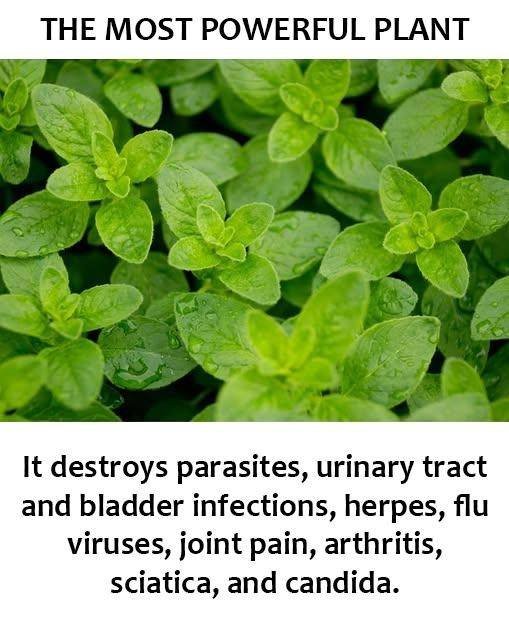
Moringa: One of the Most Powerful Plants in the World
Moringa, often called “the miracle tree”, is widely regarded as one of the most powerful and beneficial plants in the world. Known scientifically as Moringa oleifera, this fast-growing tree has been valued for centuries across Africa, Asia, and parts of South America for its remarkable nutritional profile and versatility.
What makes moringa truly exceptional is that almost every part of the plant is usable—from its leaves and seeds to its pods and oil. Today, moringa has gained global recognition as a natural superfood, celebrated for its nutrient density and role in traditional lifestyles.
A Plant with Ancient Roots
Moringa has been cultivated for over 4,000 years. Ancient civilizations used it not only as a food source but also in beauty rituals, natural remedies, and daily wellness practices. In traditional cultures, moringa was valued as a sustaining plant, particularly in regions with limited access to diverse foods.
Its ability to grow in harsh, dry environments has made it an essential resource in many communities. Because of this resilience and usefulness, moringa earned its reputation as a life-supporting tree.
Exceptional Nutritional Profile
One of the main reasons moringa is considered so powerful is its extraordinary nutritional content, particularly in the leaves.
Moringa leaves are naturally rich in:
-
Plant-based protein
-
Dietary fiber
-
Vitamins such as A, C, and E
-
Minerals including calcium, iron, potassium, and magnesium
-
Natural antioxidants and phytonutrients
This impressive composition has made moringa a popular addition to modern diets, especially in powdered or dried leaf form. It is often added to smoothies, teas, soups, and capsules as a convenient way to enhance daily nutrition.
Moringa Leaves: The Most Valued Part
The leaves are the most commonly used part of the moringa plant. They can be eaten fresh, cooked like spinach, or dried and ground into powder. Drying the leaves helps preserve their nutrients and allows for long-term storage.
Moringa leaf powder is especially popular because:
-
It is easy to use
-
A small amount goes a long way
-
It blends well into both sweet and savory foods
Its mild, earthy taste makes it adaptable to many recipes without overpowering other ingredients.
Seeds, Oil, and Pods: More Than Just Leaves
While the leaves receive most of the attention, moringa seeds and pods are equally impressive.
Moringa Seeds
The seeds are known for their oil content and are traditionally used in various ways. The oil extracted from moringa seeds—often called ben oil—is prized for its stability and long shelf life.
Moringa Oil
Moringa oil is widely used in skincare and hair care products because it is:
-
Lightweight and easily absorbed
-
Naturally moisturizing
-
Resistant to oxidation
It has been used for centuries as a beauty oil, particularly in dry climates.
Moringa Pods
Also known as “drumsticks,” moringa pods are commonly used in cooking, especially in Indian and Asian cuisines. They are valued for their texture and mild flavor.
A Natural Antioxidant Source
Moringa contains a variety of naturally occurring antioxidants. Antioxidants are compounds found in many plant foods that help protect the plant itself from environmental stress.
In everyday diets, antioxidant-rich foods are valued for their role in supporting overall wellness and balance. This is one reason moringa is often grouped among modern “superfoods.”
Moringa in Modern Wellness Culture
In recent years, moringa has become increasingly popular worldwide. It is now found in:
-
Powdered supplements
-
Herbal teas
-
Capsules
-
Skincare and cosmetic products
Its appeal lies in its natural origin, minimal processing, and long history of traditional use. For people seeking plant-based, sustainable ingredients, moringa fits perfectly into modern wellness lifestyles.
Sustainability and Environmental Benefits
Beyond personal use, moringa is also praised for its environmental value. It grows quickly, requires little water once established, and improves soil quality. Because of these traits, moringa is often planted in sustainability and reforestation projects.
Its ability to provide nutrition, oil, and usable materials from a single tree makes it one of the most resource-efficient plants on the planet.
How to Use Moringa in Daily Life
Moringa can be easily incorporated into everyday routines:
-
Add moringa powder to smoothies or juices
-
Stir into soups, sauces, or stews
-
Brew moringa leaf tea
-
Use moringa oil for skin and hair care
-
Sprinkle lightly over salads or cooked vegetables
As with any plant-based ingredient, moderation and consistency are key.
Why Moringa Is Called One of the Most Powerful Plants
Moringa earns its reputation not because of hype, but because of its unique combination of qualities:
-
Exceptional nutrient density
-
Multiple usable parts
-
Long history of traditional use
-
Versatility in food, beauty, and daily living
-
Environmental sustainability
Few plants offer such a wide range of benefits in such a simple, natural form.
Final Thoughts
Moringa is more than just a trend—it is a plant with deep roots in human history and modern relevance. Its nutritional richness, adaptability, and sustainability make it one of the most remarkable plants in the world.
Whether used as a food, a beauty ingredient, or a symbol of natural resilience, moringa continues to prove why it deserves its title as one of the most powerful plants on Earth.