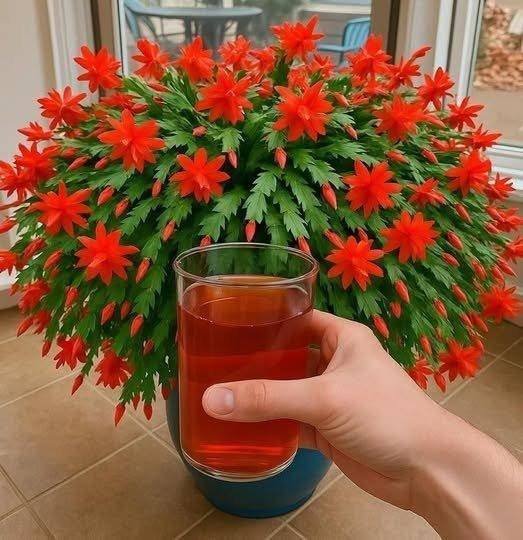
The Most Effective Tricks for Making Your Christmas Cactus Bloom Year-Round
The Christmas cactus is a beloved houseplant, admired for its vibrant, colorful blooms that brighten up the home during the holiday season. Unlike many other cacti, it thrives in low light and cooler indoor temperatures, making it perfect for indoor gardening. While it’s known for blooming around Thanksgiving or Christmas, many plant enthusiasts wonder: can you make a Christmas cactus bloom year-round? The good news is, with the right care, it’s possible to encourage multiple blooming cycles.
Understanding the Christmas Cactus
Unlike desert cacti, Christmas cacti are epiphytic plants, naturally growing in tropical rainforests. This means they prefer indirect light, consistent moisture, and cooler temperatures during their resting phase. Their unique growth pattern makes it possible to manipulate their blooming cycles if you understand their needs.
1. Provide the Right Light
Light is crucial for encouraging blooms. Christmas cacti need:
-
Indirect, bright light: Place near a north-facing window or behind sheer curtains. Direct sunlight can scorch leaves.
-
Shorter daylight exposure for blooming: To trigger flowers, reduce light to about 10 hours per day for 6–8 weeks. This mimics natural winter conditions.
Tip: If you want blooms outside the holiday season, you can control light artificially using timers.
2. Maintain Ideal Temperatures
Temperature plays a key role in blooming:
-
Resting period: Keep your plant at 50–60°F (10–15°C) for 6–8 weeks to encourage bud formation.
-
Growing period: Once buds appear, move it to 65–75°F (18–24°C) to support bloom development.
Avoid sudden temperature changes and cold drafts, as these can cause buds to drop.
3. Water Correctly
Unlike desert cacti, Christmas cacti like moist but not soggy soil. Overwatering or underwatering can prevent blooms.
-
During growing season: Keep the soil slightly damp. Water when the top inch feels dry.
-
During resting period: Reduce watering slightly, allowing the soil to dry a bit more between waterings.
Tip: Avoid getting water on the plant’s stem segments, as this can cause rot or fungal issues.
4. Fertilize Smartly
Balanced nutrition encourages healthy growth and vibrant flowers:
-
Use a cactus or houseplant fertilizer diluted to half strength every 2–4 weeks during the growing season (spring and summer).
-
Switch to a high-phosphorus fertilizer in late summer to promote blooming.
Avoid over-fertilizing, as too much nitrogen can encourage leafy growth instead of flowers.
5. Prune for More Blooms
Pruning encourages branching and more flower sites:
-
After the plant finishes blooming, trim one or two segments from each stem.
-
Place the cuttings in soil or water to propagate new plants while encouraging the parent plant to develop more stems for future blooms.
6. Repot When Needed
Christmas cacti thrive when slightly root-bound. Repotting too often can stress the plant and reduce blooming:
-
Repot every 2–3 years, preferably after the blooming season.
-
Use well-draining soil, such as a cactus or succulent mix combined with some peat moss.
7. Encourage Multiple Blooming Cycles
To stimulate blooms throughout the year, follow these tricks:
-
Mimic seasonal changes: Alternate between cooler, shorter days (for bud initiation) and warmer, longer days (for growth).
-
Control light exposure: Use blackout cloths or move plants to a darker room for 6–8 weeks to trigger flowering multiple times a year.
-
Keep consistent care: Avoid overwatering, sudden temperature swings, or stress during bud formation.
With patience and careful management, your Christmas cactus can bloom two or even three times per year.
Troubleshooting Common Issues
-
No blooms: Likely due to too much light, high temperatures, or inconsistent watering. Try giving the plant a “resting period” in cooler, darker conditions.
-
Buds falling off: Sudden temperature changes, drafts, or overwatering can cause this. Move the plant to a stable, protected environment.
-
Leggy growth: Insufficient light can make stems elongated. Rotate the plant regularly to ensure even light exposure.
Final Thoughts
With the right care, attention to light and temperature, and a little patience, a Christmas cactus can bloom multiple times per year, turning your home into a year-round floral paradise. Remember, it’s all about mimicking natural seasonal cycles and providing consistent care.
By following these strategies—managing light, temperature, water, and nutrients—you can enjoy the vibrant beauty of this tropical cactus throughout the year, not just during the holidays.