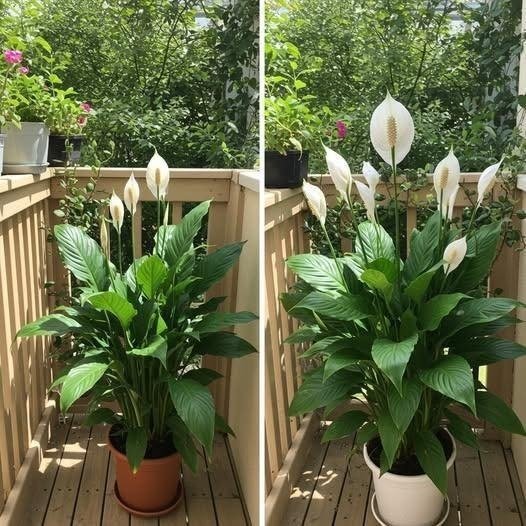
Just 1 Cup Makes Peace Lily Bloom Like Crazy (Even the Ugly Ones)
Peace lilies are one of the most popular houseplants in the world—and for good reason. With their glossy green leaves and elegant white blooms, they instantly brighten any room. But if you’ve owned one for a while, you may know the frustration: lots of leaves, droopy growth, and no flowers. Or worse, a peace lily that looks tired, yellowing, and completely uninterested in blooming.
The good news? You don’t need expensive fertilizers or complicated care routines. In fact, just 1 cup of a simple household solution can trigger explosive blooming—even in neglected or “ugly” peace lilies.
Let’s break down why peace lilies stop blooming, what this one-cup trick is, and how to use it safely for dramatic results.
Why Peace Lilies Stop Blooming
Before fixing the problem, it helps to understand it. Peace lilies are resilient, but blooming requires the right balance of nutrients, moisture, and light.
Here are the most common reasons peace lilies refuse to flower:
-
Nutrient depletion: Potting soil loses nutrients over time
-
Too much nitrogen: Encourages leaves, not flowers
-
Low potassium and phosphorus: Essential for blooms
-
Irregular watering: Stress delays flowering
-
Low light: Bright indirect light is key
Even if your peace lily looks “alive,” it may be missing the specific nutrients needed to produce blooms.
The 1-Cup Secret That Makes Peace Lilies Bloom
The solution is surprisingly simple:
Rice Water (Unsalted, Unseasoned)
Yes—plain rice water. The same water left behind after rinsing or boiling rice can work wonders for peace lilies.
Why Rice Water Works
Rice water contains:
-
Natural starches that feed beneficial soil microbes
-
Small amounts of phosphorus and potassium (key bloom nutrients)
-
Trace minerals that support root health
-
Mild, gentle nourishment without burning roots
Unlike chemical fertilizers, rice water provides slow, balanced support that encourages blooming rather than leaf overload.
How to Make Rice Water (Correctly)
This part matters. Improper rice water can harm your plant.
Option 1: Rinsed Rice Water (Best Method)
-
Add ½ cup uncooked white rice to a bowl
-
Add 2–3 cups of water
-
Swirl gently for 30 seconds
-
Strain and collect the cloudy water
Option 2: Boiled Rice Water
-
Boil rice in plain water (no salt, no oil)
-
Strain the excess water
-
Let it cool completely
-
Dilute 1:1 with fresh water
⚠️ Never use rice water with salt, butter, or seasoning.
How to Use the “1 Cup Bloom Boost”
This is where the magic happens.
Step-by-Step Application
-
Make sure your peace lily’s soil is slightly moist (not bone dry)
-
Measure exactly 1 cup of prepared rice water
-
Slowly pour it directly onto the soil (not the leaves)
-
Allow excess water to drain fully
Frequency
-
Once every 3–4 weeks only
-
Overuse can cause soil imbalance
Within 2–4 weeks, many peace lily owners notice:
-
New flower stalks emerging
-
Deeper green foliage
-
Stronger, more upright leaves
Even peace lilies that haven’t bloomed in years often respond.
Why This Works Even on “Ugly” Peace Lilies
Neglected peace lilies often suffer from:
-
Compacted soil
-
Weak root systems
-
Lack of microbial activity
Rice water helps by:
-
Reviving soil biology
-
Improving nutrient absorption
-
Supporting root regeneration
-
Reducing stress without shocking the plant
It’s gentle enough for struggling plants but effective enough to trigger blooming.
Extra Tips to Maximize Blooms
The 1-cup trick works best when paired with good basic care.
Light
-
Bright, indirect light
-
Near a window with filtered sun
-
Too little light = no blooms
Watering
-
Water when top 1 inch of soil feels dry
-
Peace lilies prefer consistency
Pot Size
-
Slightly root-bound plants bloom better
-
Oversized pots encourage leaves, not flowers
Leaf Care
-
Wipe leaves monthly to remove dust
-
Clean leaves absorb more light
Common Mistakes to Avoid
🚫 Using rice water every week
🚫 Pouring more than 1 cup
🚫 Using flavored or salted rice water
🚫 Applying to dry, stressed soil
🚫 Expecting overnight blooms
Patience matters—but results are worth it.
When to Expect Results
Timeline varies, but most healthy peace lilies show signs within:
-
10–14 days: improved leaf posture
-
3–4 weeks: flower stalk development
-
4–6 weeks: full blooms
If your plant still doesn’t bloom after 6 weeks, reassess light levels and pot condition.
Is Rice Water Better Than Fertilizer?
For peace lilies, yes—when used correctly.
Chemical fertilizers:
-
Often too nitrogen-heavy
-
Can burn sensitive roots
-
Encourage foliage over flowers
Rice water:
-
Mimics natural, low-dose feeding
-
Supports long-term soil health
-
Encourages blooming gently
Many experienced indoor gardeners use rice water as a natural bloom booster, especially for flowering houseplants.
Final Thoughts
If your peace lily has stopped blooming—or never bloomed at all—don’t give up on it. Sometimes all it takes is just 1 cup of the right nourishment to bring it back to life.
This simple rice water trick has helped countless peace lilies go from dull and droopy to lush, glossy, and bursting with flowers. Even the so-called “ugly” ones often surprise their owners with stunning blooms.