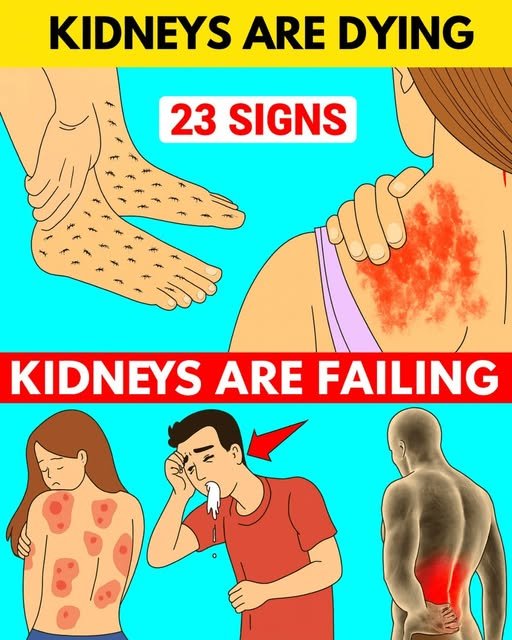
23 Strange Signs Your Kidneys Might Be in Trouble
Your kidneys are small, hardworking organs that play a vital role in keeping your body healthy. They filter waste from your blood, balance fluids, regulate blood pressure, and help maintain healthy bones and red blood cells. Because they work quietly in the background, kidney problems often develop without obvious symptoms—especially in the early stages.
Many people assume kidney disease only causes pain or obvious urinary issues, but the truth is far more surprising. Kidney trouble can show up in unexpected ways throughout the body. Recognising these early warning signs can make a significant difference, as early detection often leads to better outcomes.
Here are 23 strange and often overlooked signs that may indicate your kidneys are under stress.
1. Persistent Fatigue
When kidneys don’t filter waste efficiently, toxins can build up in the blood. This may leave you feeling constantly tired, weak, or lacking concentration, even after adequate rest.
2. Changes in Urination
Urinating more often (especially at night), less often, or noticing changes in colour, foaminess, or smell may signal kidney issues.
3. Foamy or Bubbly Urine
Excess foam may indicate protein leaking into urine, a common early sign of kidney damage.
4. Swelling in Feet, Ankles, or Hands
Kidneys help remove excess fluid. When they struggle, fluid can accumulate in the lower body or around joints.
5. Puffiness Around the Eyes
Swelling around the eyes—especially in the morning—can be linked to protein loss through urine.
6. Dry, Itchy Skin
Healthy kidneys balance minerals in the blood. When they fail to do this, skin may become dry, itchy, or irritated.
7. Trouble Sleeping
Waste buildup in the bloodstream can interfere with normal sleep patterns and contribute to restlessness.
8. Muscle Cramps
Electrolyte imbalances, such as low calcium or potassium levels, may cause muscle cramps.
9. Poor Appetite
Nausea or a lack of interest in food can occur when waste products accumulate in the body.
10. Metallic Taste in the Mouth
A buildup of toxins can affect taste, making food taste metallic or unpleasant.
11. Bad Breath
Kidney-related waste in the bloodstream may cause breath to smell ammonia-like or unusually strong.
12. Difficulty Concentrating
Reduced oxygen delivery to the brain due to kidney-related anaemia can lead to brain fog or confusion.
13. Shortness of Breath
Fluid buildup in the lungs or low red blood cell levels can make breathing feel more difficult.
14. Feeling Cold Easily
Kidney disease can reduce red blood cell production, making you feel cold even in warm environments.
15. High Blood Pressure
Kidneys help regulate blood pressure. When they’re damaged, blood pressure may rise—and high blood pressure can also further damage kidneys.
16. Frequent Headaches
High blood pressure and toxin buildup may contribute to recurring headaches.
17. Nausea or Vomiting
Digestive discomfort may occur as toxins affect the stomach lining.
18. Dark or Bloody Urine
Changes in urine colour can indicate kidney inflammation, infection, or stones and should never be ignored.
19. Lower Back Discomfort
While not always kidney-related, persistent discomfort near the lower back or sides may warrant medical attention.
20. Recurrent Urinary Tract Infections
Frequent infections may signal structural or functional kidney issues.
21. Sudden Weight Gain
Rapid weight changes can occur due to fluid retention rather than increased calorie intake.
22. Reduced Urine Output
Producing significantly less urine than usual can be a sign of decreased kidney function.
23. General Feeling of Being Unwell
Many people describe kidney problems as a constant, unexplained feeling that “something isn’t right.”
Why Early Detection Matters
Kidney disease often progresses silently. Many people don’t realise there’s a problem until significant damage has already occurred. Early detection allows for lifestyle changes, medical treatment, and monitoring that can slow or even prevent further damage.
Simple blood and urine tests can provide valuable insight into kidney health. Regular checkups are especially important for individuals with risk factors such as diabetes, high blood pressure, a family history of kidney disease, or long-term medication use.
When to See a Healthcare Professional
Experiencing one symptom does not automatically mean kidney disease. However, persistent or multiple symptoms should always be discussed with a qualified healthcare provider. Never attempt to self-diagnose—only medical testing can confirm kidney problems.
Final Thoughts
Your kidneys are essential to your overall health, and they deserve attention long before serious symptoms appear. Paying attention to unusual changes in your body can be the first step toward protecting these vital organs. Awareness, early action, and regular medical care are key to maintaining long-term kidney health.