Hidden Dangers in Your Mouth: 10 Early Warning Signs of Oral Cancer You Should Never Ignore
Oral cancer is one of the most serious conditions that can affect your mouth, lips, gums, or throat. While it is less common than other cancers, it can be deadly if not caught early. The good news is that early detection significantly increases survival rates. Being aware of warning signs and practicing good oral hygiene can help you protect your mouth and overall health.
Here are 10 early warning signs of oral cancer that you should never ignore.
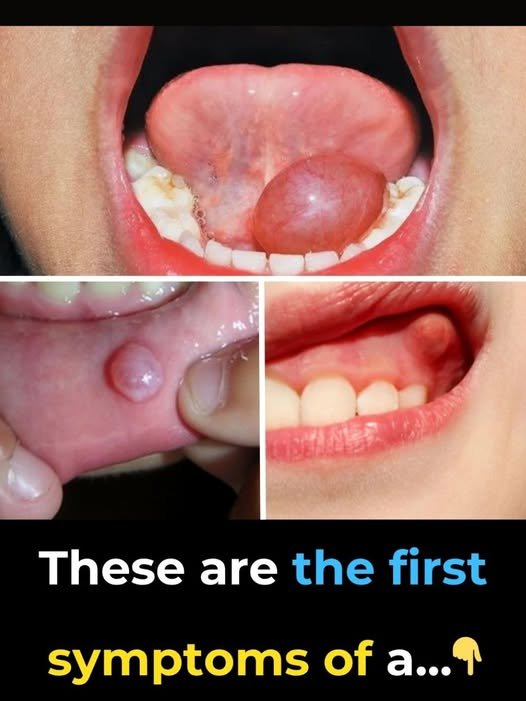
1. Persistent Mouth Sores
One of the most common early signs of oral cancer is a sore or ulcer in your mouth that doesn’t heal within two weeks. While most mouth sores are harmless, those that linger may indicate a problem. Pay attention to sores on your lips, gums, tongue, or the roof of your mouth.
2. White or Red Patches
White (leukoplakia) or red (erythroplakia) patches in the mouth can appear on the tongue, cheeks, or gums. While some patches may be harmless, persistent or growing patches should be checked by a dentist or doctor. These areas can sometimes be precancerous or cancerous.
3. Unexplained Bleeding
Bleeding from the gums, tongue, or inside the mouth that doesn’t have a clear cause (like brushing too hard or biting your lip) could be a warning sign. If bleeding continues or happens frequently, it’s important to get a professional evaluation.
4. Lumps or Thickening
Any lump, bump, or thickened area in the mouth, neck, or throat that does not go away could indicate abnormal cell growth. Oral cancers often start as small, painless lumps that are easy to ignore, which is why early detection is crucial.
5. Numbness or Tingling
Numbness, tingling, or a “pins and needles” feeling in the lips, tongue, or other areas of the mouth may signal nerve involvement caused by cancerous growth. This symptom should never be dismissed.
6. Pain or Difficulty Swallowing
Persistent pain in the mouth, jaw, or throat—especially when swallowing—can be an early indicator of oral cancer. It may feel like a constant soreness or irritation that doesn’t improve with normal care.
7. Persistent Bad Breath
While occasional bad breath is normal, chronic, foul-smelling breath that doesn’t improve with brushing or mouthwash could be a warning sign. Oral cancers can create areas in the mouth where bacteria accumulate, leading to unusual odors.
8. Changes in Teeth or Dentures
Ill-fitting dentures or sudden loosening of teeth without an obvious cause can indicate changes in the jawbone or soft tissues caused by abnormal cell growth. Regular dental checkups help monitor these changes.
9. Sore Throat or Hoarseness
A sore throat or hoarseness that lasts more than two weeks, without other obvious causes, may be a sign of oral or throat cancer. This symptom is especially important if accompanied by lumps in the neck.
10. Unexplained Weight Loss
Unintentional weight loss or a loss of appetite can sometimes be related to oral cancer. Tumors in the mouth or throat can make eating difficult, which can indirectly lead to weight loss.
How to Protect Yourself
Early detection is key to successfully treating oral cancer. Here’s what you can do:
-
Perform self-checks: Examine your mouth regularly for sores, patches, lumps, or changes in color.
-
Visit your dentist: Regular dental checkups can catch early signs before you notice them. Dentists often detect problems during routine exams.
-
Avoid tobacco and vaping products: Smoking, chewing tobacco, and vaping significantly increase the risk of oral cancer.
-
Limit alcohol: Excessive alcohol use can irritate mouth tissues and increase cancer risk.
-
Eat a nutrient-rich diet: Fruits and vegetables rich in antioxidants help protect cells from damage.
-
Protect lips from sun exposure: Lip cancer is more common in people with frequent sun exposure; use SPF lip balm when outside.
When to See a Doctor
If you notice any of these warning signs that persist for more than two weeks, don’t wait. Early evaluation by a dentist or doctor can lead to early diagnosis, which dramatically improves treatment outcomes. Remember, not every symptom indicates cancer—but it’s better to be safe and get a professional opinion.
Conclusion
Oral cancer can be life-threatening, but catching it early makes a huge difference. By paying attention to subtle changes in your mouth, practicing good oral hygiene, and visiting your dentist regularly, you can protect yourself from hidden dangers.
Your mouth is more than just teeth and gums—it’s a window into your overall health. Stay aware, stay proactive, and don’t ignore warning signs that could save your life.