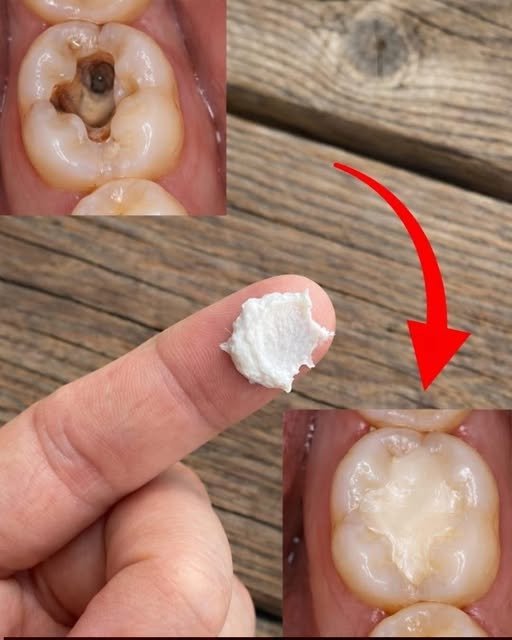
How to Avoid the Dentist: Natural Ways to Protect Your Teeth and Repair Cavities
Visiting the dentist can sometimes feel intimidating or time-consuming, but the truth is, taking care of your teeth at home can make a big difference in preventing dental problems. While professional dental care is important for serious issues, there are natural habits and methods that can help maintain strong teeth, prevent cavities, and even support the body’s natural repair processes.
Here are practical tips to help you avoid dental problems and explore safe ways to naturally repair minor cavities.
1. Maintain Excellent Oral Hygiene
The foundation of healthy teeth starts with consistent oral care. Brushing and flossing are simple habits, but doing them correctly can prevent most cavities and gum problems.
-
Brush twice a day: Use a soft-bristled toothbrush and fluoride-free toothpaste if you prefer natural options. Brush for at least two minutes each time. Make sure to reach every surface, including the back teeth and along the gumline.
-
Floss daily: Flossing removes food particles and plaque between teeth that your toothbrush can’t reach. This helps prevent cavities from forming in tight spaces.
-
Consider oil pulling: Swishing coconut oil for 10–15 minutes can reduce bacteria in the mouth. While research is limited, many people find it helps with plaque buildup and gum health.
2. Eat a Tooth-Friendly Diet
Your diet has a huge impact on your dental health. Certain foods can strengthen teeth and help your body naturally repair enamel.
-
Limit sugar and refined carbs: Bacteria in your mouth feed on sugar, producing acid that erodes enamel and causes cavities. Avoid soda, candy, and sugary snacks.
-
Include calcium and phosphate-rich foods: Cheese, yogurt, leafy greens, almonds, and other mineral-rich foods help rebuild tooth enamel naturally.
-
Eat crunchy fruits and vegetables: Apples, carrots, and celery help clean teeth surfaces while stimulating saliva production. Saliva naturally neutralizes acids and protects enamel.
-
Drink plenty of water: Water helps wash away food particles and maintains a healthy pH in your mouth.
3. Strengthen Enamel Naturally
Tooth enamel is the outer protective layer of your teeth. While enamel cannot grow back once fully lost, it can be remineralized if the damage is mild. Here are natural ways to help:
-
Use fluoride alternatives wisely: Some natural toothpaste contains hydroxyapatite, a mineral that mimics enamel and can help strengthen weak areas.
-
Consume vitamin D and K2: Vitamin D helps your body absorb calcium, while K2 ensures it goes to teeth and bones rather than soft tissues. Fatty fish, eggs, and leafy greens are excellent sources.
-
Limit acidic drinks: Citrus juices, soda, and energy drinks can erode enamel. If you drink them, rinse with water afterward to reduce damage.
4. Consider Natural Cavity Repair Techniques
While small cavities may progress slowly, there are ways to support your teeth naturally before seeing a dentist. Keep in mind that large cavities require professional care. Here are safe natural approaches:
-
Remineralization with minerals: Applying a remineralizing paste containing calcium, phosphate, or hydroxyapatite can help repair early enamel damage. Brush gently with these pastes daily.
-
Xylitol products: Xylitol, a natural sugar substitute, can reduce cavity-causing bacteria. Chewing xylitol gum or using xylitol toothpaste can decrease acid production in the mouth.
-
Maintain a balanced pH: Foods like green vegetables, nuts, and dairy can help neutralize acidity in the mouth, which is essential for preventing enamel loss.
-
Avoid repeated snacking: Constant snacking gives bacteria a continuous food source, increasing the risk of cavities. Stick to meals and drink water in between.
5. Healthy Lifestyle Habits for Dental Protection
Beyond diet and hygiene, overall lifestyle choices can influence oral health.
-
Get enough sleep: Poor sleep affects your immune system and your body’s ability to fight bacterial growth in the mouth.
-
Manage stress: Stress can lead to teeth grinding or jaw tension, increasing enamel wear. Techniques like meditation or light exercise can help.
-
Avoid smoking or vaping: Tobacco products are extremely damaging to gums, enamel, and overall oral health.
6. Recognize Early Signs of Tooth Decay
Catching problems early is essential if you want to manage cavities naturally. Look out for:
-
Sensitivity to hot, cold, or sweet foods
-
Visible white spots or discoloration on teeth
-
Mild discomfort or rough spots on tooth surfaces
Early detection allows you to strengthen your enamel and prevent the cavity from growing.
7. When Natural Repair Isn’t Enough
While natural methods can help prevent cavities and strengthen enamel, they are not a substitute for professional care in serious cases. Large cavities, deep decay, or persistent tooth pain require a dentist’s attention. Ignoring significant issues can lead to infections or permanent tooth damage.
Conclusion
Avoiding the dentist doesn’t have to mean neglecting your teeth. With consistent oral hygiene, a nutrient-rich diet, enamel-strengthening practices, and careful attention to early signs of decay, you can reduce your risk of cavities and support your teeth’s natural repair processes.
Remember, natural approaches work best as preventative measures or for minor enamel damage. For significant decay, professional treatment is the safest way to protect your smile.
By combining these tips with a healthy lifestyle, you can enjoy strong, healthy teeth and potentially fewer dental visits—while keeping your smile bright and pain-free.