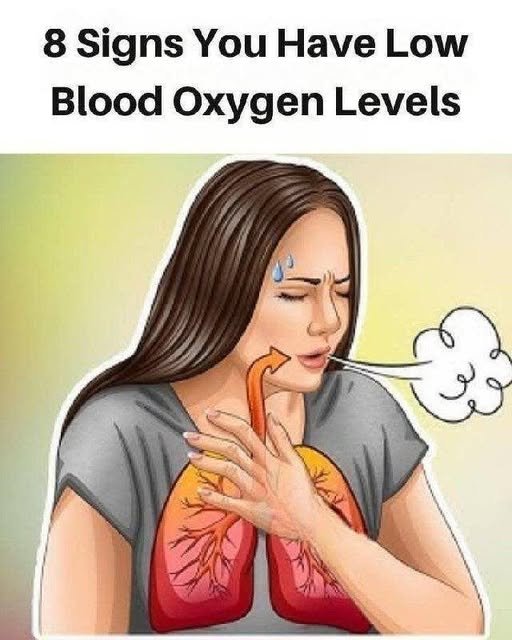
8 Warning Signs of Low Blood Oxygen Levels
Oxygen is essential for every cell in your body. Your lungs take in oxygen, your blood carries it, and your organs rely on it to function properly. When blood oxygen levels drop below normal, the condition is called hypoxemia. Low blood oxygen can range from mild and temporary to serious and life-threatening, depending on the cause and how quickly it’s addressed.
Understanding the warning signs of low blood oxygen levels can help you recognize when something isn’t right and when it’s time to seek medical advice.
What Are Normal Blood Oxygen Levels?
Blood oxygen levels are usually measured using a pulse oximeter and expressed as a percentage (SpO₂).
-
Normal: 95–100%
-
Low: Below 90% (generally considered a medical concern)
Temporary drops can occur at high altitude or during intense physical activity, but persistent low levels may signal an underlying health issue.
1. Shortness of Breath
One of the earliest and most common signs of low blood oxygen is shortness of breath, even during mild activity or while resting. You may feel like you can’t get enough air or need to breathe faster or deeper than usual.
This happens because your body is trying to compensate for reduced oxygen by increasing breathing rate.
2. Rapid or Irregular Heartbeat
When oxygen levels drop, the heart works harder to circulate oxygenated blood throughout the body. This can cause:
-
A racing heartbeat
-
Palpitations
-
Irregular heart rhythm
If this symptom appears suddenly or is accompanied by chest discomfort, it should not be ignored.
3. Persistent Fatigue or Weakness
Low oxygen means your muscles and organs aren’t receiving the fuel they need. As a result, you may feel:
-
Constantly tired
-
Weak or heavy-limbed
-
Drained even after rest
This type of fatigue is often deeper than everyday tiredness and may interfere with daily activities.
4. Headaches or Dizziness
The brain is especially sensitive to oxygen levels. Reduced oxygen delivery can lead to:
-
Headaches
-
Lightheadedness
-
Dizziness
-
Difficulty concentrating
In more severe cases, confusion or disorientation may occur. These symptoms should be taken seriously, especially if they appear suddenly.
5. Bluish Lips or Fingertips (Cyanosis)
A bluish or purplish tint around the lips, fingertips, or nail beds is called cyanosis. This visible sign suggests that oxygen levels in the blood are significantly low.
Cyanosis is a medical warning sign and usually requires prompt evaluation.
6. Chest Pain or Tightness
Low blood oxygen can strain the heart and lungs, sometimes causing:
-
Chest tightness
-
Pressure or discomfort
-
Pain that worsens with activity
Chest pain should always be treated as a potential medical emergency, particularly if it occurs alongside shortness of breath or dizziness.
7. Increased Anxiety or Restlessness
When oxygen levels fall, the body’s stress response may activate. This can lead to:
-
Sudden anxiety
-
Restlessness
-
A sense of panic without an obvious cause
People sometimes mistake this for an anxiety disorder, but low oxygen can trigger similar sensations.
8. Sleep Disturbances
Low oxygen levels during sleep may cause:
-
Frequent waking
-
Morning headaches
-
Poor sleep quality
-
Daytime sleepiness
Conditions such as sleep-related breathing disorders can reduce oxygen levels overnight, making sleep feel unrefreshing.
Common Causes of Low Blood Oxygen
Low blood oxygen can be caused by many factors, including:
-
Lung conditions affecting airflow or gas exchange
-
Breathing difficulties
-
Circulatory problems
-
High altitudes
-
Certain infections
-
Sleep-related breathing issues
Temporary drops may occur, but ongoing symptoms often indicate a need for medical evaluation.
When to Seek Medical Attention
You should seek medical advice if:
-
Symptoms persist or worsen
-
Oxygen readings stay below normal
-
You experience chest pain, confusion, or bluish discoloration
-
Breathing becomes increasingly difficult
Early detection and treatment can help prevent complications.
How Blood Oxygen Is Measured
A pulse oximeter is a small, non-invasive device placed on a fingertip to estimate oxygen levels. While useful for monitoring, it does not replace professional medical assessment.
If symptoms are present, healthcare providers may recommend additional tests to identify the underlying cause.
Supporting Healthy Oxygen Levels
Maintaining overall respiratory and cardiovascular health can help support healthy oxygen levels:
-
Stay physically active as appropriate
-
Avoid smoking and secondhand smoke
-
Practice good posture to support lung expansion
-
Get regular health checkups
-
Address breathing or sleep issues early
Final Thoughts
Low blood oxygen levels can affect the entire body, sometimes in subtle ways at first. Recognizing early warning signs—such as shortness of breath, fatigue, dizziness, or bluish skin—can make a critical difference. While not every symptom means a serious condition, persistent or worsening signs should never be ignored.
Your body relies on oxygen every second of the day. Paying attention to these warning signs and seeking timely medical advice helps protect your health and overall well-being.