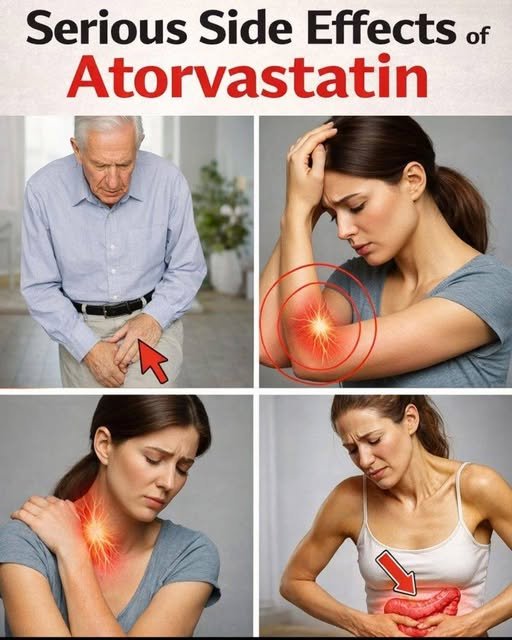
15 Hidden Atorvastatin Side Effects Your Doctor Might Never Mention
(And What You Can Do Today)
Atorvastatin—commonly known by the brand name Lipitor—is one of the most widely prescribed medications for lowering cholesterol and reducing the risk of heart attack and stroke. For many people, it works well and is considered safe when taken as directed. However, like all medications, atorvastatin can cause side effects beyond the most commonly discussed ones.
While doctors usually mention muscle pain and liver enzyme changes, some lesser-known side effects may not be discussed unless you specifically ask. Being informed doesn’t mean stopping your medication—it means understanding your body and knowing when to speak up.
Below are 15 hidden or under-discussed atorvastatin side effects, along with practical steps you can take today.
1. Persistent Fatigue
Some people report ongoing tiredness that isn’t explained by sleep or lifestyle changes. This may be linked to how statins affect energy production in muscle cells.
What you can do:
Track when fatigue started and discuss it with your doctor. A dose adjustment or timing change may help.
2. Brain Fog or Memory Changes
Occasional forgetfulness or difficulty concentrating has been reported by some statin users. Research is mixed, but awareness is important.
What you can do:
Write down specific examples and patterns. Do not stop medication without medical guidance.
3. Sleep Disturbances
Vivid dreams, insomnia, or restless sleep are reported by a small number of users.
What you can do:
Ask if taking atorvastatin earlier in the day is appropriate for you.
4. Muscle Weakness Without Pain
Not all muscle effects involve pain. Some people notice reduced strength or endurance.
What you can do:
Report weakness early—especially if it interferes with daily activities.
5. Digestive Discomfort
Bloating, constipation, nausea, or diarrhea can occur, especially when first starting the medication.
What you can do:
Take the medication with food if advised and monitor which foods worsen symptoms.
6. Increased Blood Sugar Levels
Statins, including atorvastatin, may slightly increase blood sugar in some people, especially those already at risk for diabetes.
What you can do:
Have regular blood tests and maintain a balanced diet and activity routine.
7. Headaches
Recurring or dull headaches may occur, particularly during the first few weeks.
What you can do:
Stay hydrated and track frequency. Report persistent headaches to your provider.
8. Joint Stiffness
Joint discomfort is sometimes mistaken for aging or arthritis but may be medication-related.
What you can do:
Gentle movement and stretching can help, but persistent stiffness should be evaluated.
9. Mood Changes
Some users report irritability or low mood, though this isn’t commonly highlighted.
What you can do:
Pay attention to emotional changes and discuss them openly with a healthcare professional.
10. Hair Thinning
Rarely, hair thinning has been reported, possibly due to nutrient absorption changes.
What you can do:
Ask about nutritional support and rule out other causes like stress or hormone changes.
11. Increased Sensitivity to Exercise
You may feel more sore than usual after physical activity, even if you haven’t increased intensity.
What you can do:
Allow adequate recovery time and report unusual soreness.
12. Vitamin and CoQ10 Depletion
Statins may reduce levels of Coenzyme Q10, which plays a role in muscle energy.
What you can do:
Ask your doctor whether monitoring or supplementation is appropriate for you.
13. Liver Enzyme Changes Without Symptoms
Liver changes often happen silently and may not cause noticeable symptoms.
What you can do:
Never skip recommended blood tests—they are key to safe use.
14. Increased Sensitivity to Alcohol
Some people notice stronger effects from alcohol while taking atorvastatin.
What you can do:
Limit alcohol intake and mention any changes to your doctor.
15. Delayed Side Effects
Some side effects appear months or even years after starting treatment, making them harder to link to the medication.
What you can do:
Regular medication reviews are essential—don’t assume long-term symptoms are unrelated.
What You Can Do Today
-
Do not stop atorvastatin suddenly without medical advice
-
Keep a symptom journal with dates and severity
-
Attend regular checkups and blood tests
-
Ask questions—your experience matters
-
Discuss alternatives or dosage changes if side effects affect quality of life
Many side effects are manageable or reversible when addressed early.
Final Thoughts
Atorvastatin saves lives and plays a crucial role in heart health for millions of people. At the same time, every individual responds differently. Understanding possible side effects empowers you to work with your healthcare provider—not against treatment.