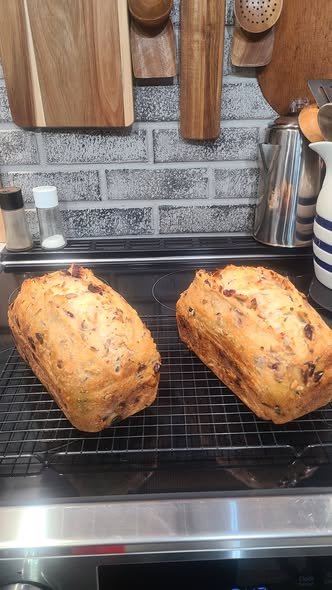
Sourdough Sandwich Bread – Soft, Tangy, and Perfect for Toast
Sourdough sandwich bread is a versatile and flavorful bread that combines the tangy taste of natural fermentation with a soft, tender crumb. Unlike regular sandwich bread, sourdough has a unique depth of flavor, longer shelf life, and better digestibility, thanks to the natural fermentation process.
This loaf is perfect for sandwiches, toast, or just enjoying with butter and jam. With patience and the right technique, making sourdough sandwich bread at home is easier than many bakers expect.
Ingredients
-
1 cup (240 g) active sourdough starter, fed and bubbly
-
1 ¼ cups (300 ml) warm water
-
3 ½ cups (440 g) all-purpose or bread flour
-
2 tablespoons (25 g) sugar or honey
-
2 teaspoons salt
-
2 tablespoons (30 g) unsalted butter, softened
Optional:
-
Milk for a slightly softer crust
-
Seeds (sunflower, sesame) for topping
Time and Temperature
-
Preparation / Mixing Time: 20–30 minutes
-
First Rise (Bulk Fermentation): 4–6 hours at room temperature
-
Shaping and Second Rise: 1–2 hours
-
Baking Time: 35–40 minutes
-
Total Time: 6–8 hours (including rising)
Oven Temperature
-
190°C (375°F)
Instructions
Step 1: Mix the Dough
In a large bowl, combine sourdough starter and warm water. Add sugar, flour, and salt. Mix until a sticky dough forms.
Add softened butter and knead for 8–10 minutes by hand, or 5–6 minutes in a stand mixer, until smooth and elastic.
Step 2: Bulk Fermentation
Cover the bowl with a damp cloth or plastic wrap. Let the dough rise at room temperature for 4–6 hours, folding gently every 1–2 hours to strengthen gluten.
Step 3: Shape the Loaf
Once the dough has doubled in size, gently deflate it. Shape it into a loaf and place it in a greased 9×5-inch loaf pan.
Step 4: Second Rise
Cover and let the dough rise for 1–2 hours, until it has nearly doubled and springs back slowly when lightly pressed.
Step 5: Bake
Preheat the oven to 190°C (375°F). Bake the loaf for 35–40 minutes, until golden brown. If the top browns too quickly, tent with aluminum foil.
Optional: Brush the top with milk or butter for a softer crust.
Step 6: Cool
Allow the bread to cool in the pan for 10 minutes, then transfer to a wire rack to cool completely. Slicing too early may compress the crumb.
Serving Suggestions
-
Classic sandwiches with ham, cheese, or veggies
-
Toasted with butter, jam, or avocado
-
Use for French toast or bread pudding
-
Serve alongside soups and stews
Storage
-
Store at room temperature in a paper bag or loosely wrapped for 2–3 days
-
Refrigerate for up to 5 days, but best at room temperature
-
Slice and freeze for up to 2 months, thaw at room temperature before use
Tips for Perfect Sourdough Sandwich Bread
-
Use a bubbly, active starter for the best rise and flavor
-
Folding during bulk fermentation strengthens gluten and improves texture
-
Don’t rush rising times; patience ensures a light, airy crumb
-
Adjust hydration slightly if your dough is too dry or sticky
Variations
-
Whole Wheat Sourdough: Replace 1–2 cups of all-purpose flour with whole wheat
-
Seeded Loaf: Add sunflower, pumpkin, or sesame seeds into the dough or on top
-
Milk Sourdough Bread: Replace water with milk for a softer crumb and richer flavor
-
Garlic Herb Sourdough: Add minced garlic and fresh herbs for a savory twist
Why This Recipe Works
The combination of sourdough starter, proper fermentation, and gentle shaping creates a loaf with soft crumb, slight tang, and excellent structure. Using butter or milk enriches the dough for sandwich-ready softness, while careful baking ensures a golden, tender crust.
Conclusion
Sourdough sandwich bread is a rewarding and versatile homemade bread. Its natural flavor, soft crumb, and slightly tangy taste make it perfect for sandwiches, toast, or any dish that calls for fresh bread. With patience and simple ingredients, you can enjoy bakery-quality sourdough bread straight from your oven.