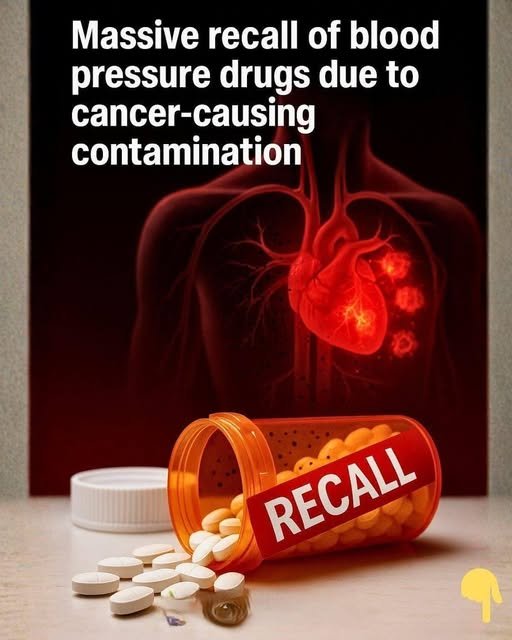
Massive Recall of Blood Pressure Drugs Over Cancer-Causing Contamination
A large-scale recall of widely used blood pressure medications has raised global concern after regulators discovered contamination with chemicals linked to an increased risk of cancer. Millions of patients worldwide rely on these drugs every day to manage high blood pressure and reduce the risk of heart attacks and strokes, making the recalls one of the most significant pharmaceutical safety events in recent years.
What Triggered the Recall?
The recalls were initiated after testing revealed the presence of nitrosamines, a class of chemical compounds classified as probable human carcinogens. Nitrosamines are not intentionally added to medications. Instead, they can form unintentionally during the manufacturing process, particularly when certain chemical reactions, solvents, or storage conditions are involved.
Regulatory agencies determined that long-term exposure to nitrosamines above acceptable limits could increase the risk of developing cancer. Although the immediate risk to patients is generally considered low, the potential long-term impact prompted authorities to take swift action.
Which Blood Pressure Drugs Are Affected?
The recalls primarily involve a group of medications known as angiotensin II receptor blockers (ARBs), which are commonly prescribed to treat high blood pressure, heart failure, and kidney disease. These drugs are valued for their effectiveness and relatively mild side-effect profile.
Medications that have been affected at various points include:
-
Valsartan
-
Losartan
-
Irbesartan
-
Candesartan
-
Olmesartan
Not all versions or brands of these medications are contaminated. The recalls usually apply to specific batches or manufacturers, not the drug as a whole. Many patients have continued their treatment safely using unaffected supplies or alternative brands.
How Did the Contamination Happen?
Investigations revealed that changes in manufacturing processes were a major factor. In some cases, manufacturers altered production methods to improve efficiency or reduce costs. These changes unintentionally created conditions where nitrosamines could form.
Contributing factors included:
-
Use of certain chemical solvents
-
High-temperature reactions
-
Reuse of manufacturing materials
-
Inadequate quality control testing
Because many pharmaceutical ingredients are produced globally and supplied to multiple companies, contamination at one manufacturing facility had widespread consequences across multiple brands and countries.
Health Risks and Cancer Concerns
Nitrosamines are found in very small amounts in everyday environments, including food, water, and air. However, sustained exposure at elevated levels is associated with an increased cancer risk in laboratory studies and human data.
Health authorities have emphasized that:
-
The risk increases with long-term exposure, not short-term use
-
The absolute risk for individual patients is relatively low
-
Stopping blood pressure medication abruptly can be more dangerous than the potential cancer risk
For this reason, patients have been strongly advised not to stop taking their medication without medical guidance.
Regulatory Response and Global Impact
Regulatory agencies across the world, including drug safety authorities in North America, Europe, and Asia, launched extensive reviews of manufacturing standards and testing procedures. These agencies required:
-
Immediate recalls of affected batches
-
Enhanced testing for nitrosamines
-
Greater transparency in supply chains
-
Updated manufacturing guidelines
The recalls disrupted global medication supplies and, in some regions, led to temporary shortages. Healthcare providers were instructed to switch patients to unaffected alternatives where necessary.
What Should Patients Do?
Patients taking blood pressure medication should not panic. Most people were never exposed to contaminated batches, and many recalls were handled quietly at the pharmacy level before medications reached consumers.
General guidance includes:
-
Do not stop taking your medication suddenly
-
Check with your pharmacist or healthcare provider to see if your prescription was affected
-
Follow professional advice on switching medications if needed
-
Attend regular health check-ups to monitor blood pressure and overall health
Doctors can easily prescribe alternative medications that are equally effective and safe.
Lessons for the Pharmaceutical Industry
This situation exposed weaknesses in global drug manufacturing oversight. While medicines are subject to strict regulations, the complexity of international supply chains makes consistent monitoring challenging.
Key lessons include:
-
The need for stronger quality assurance at every stage of production
-
Improved detection methods for impurities
-
Greater accountability for ingredient suppliers
-
Faster communication between regulators, manufacturers, and healthcare providers
As a result, many companies have invested in upgraded testing technologies and more rigorous internal audits.
Looking Ahead
The blood pressure drug recalls have led to lasting changes in how medications are produced and monitored. Regulators now require more comprehensive impurity testing, not just for ARBs but for a wide range of medicines.
For patients, the situation underscores the importance of:
-
Taking medications as prescribed
-
Staying informed through reliable medical sources
-
Maintaining open communication with healthcare professionals
While the word “cancer” understandably causes fear, experts agree that the benefits of controlling high blood pressure far outweigh the risks associated with the recalled medications when managed correctly.
Conclusion
The massive recall of blood pressure drugs due to cancer-causing contamination marked a critical moment in pharmaceutical safety. Though concerning, the response from regulators and healthcare systems helped limit patient risk and sparked important reforms. With stronger safeguards now in place, patients can continue to rely on blood pressure medications as a vital tool for long-term health and disease prevention.