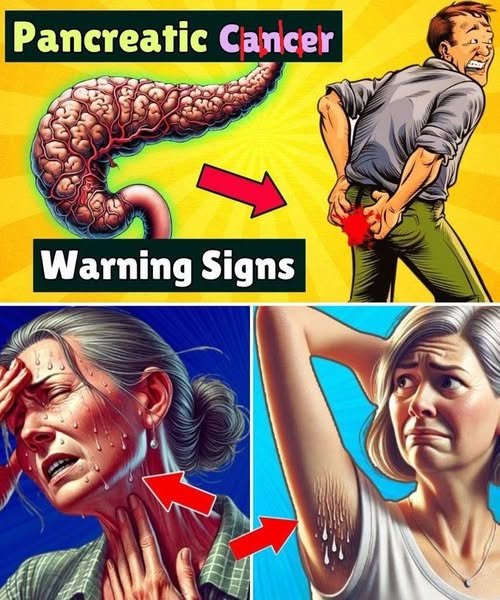
8 Warning Signs of Pancreatic Health Problems You Shouldn’t Ignore
Pancreatic cancer is a serious condition that can be hard to detect in its early stages. While it’s uncommon in teens, knowing the early warning signs can help people seek medical care sooner. Recognizing symptoms early increases the chances of effective treatment.
Here are 8 signs that should prompt a visit to a doctor:
1. Unexplained Abdominal or Back Discomfort
Persistent pain or discomfort in the upper abdomen or back may indicate that something is affecting the pancreas. It’s usually a dull or mild pain, sometimes worsening after eating.
2. Jaundice (Yellowing of Skin or Eyes)
If skin or the whites of your eyes start to turn yellow, it could indicate a buildup of bilirubin, which can happen if the pancreas or bile ducts are affected.
3. Unexplained Weight Loss
Losing weight without trying, especially if paired with changes in appetite, is a warning sign that something may be affecting digestion or metabolism.
4. Changes in Stool
Oily, pale, or foul-smelling stools may indicate digestive issues linked to the pancreas. It can also cause difficulty absorbing fats properly.
5. Digestive Issues
Persistent nausea, vomiting, or a feeling of fullness even after small meals can be related to pancreatic problems.
6. New-Onset Diabetes
The pancreas produces insulin, so sudden changes in blood sugar levels or new diabetes without a clear cause may sometimes be related to pancreatic issues.
7. Fatigue or Weakness
Ongoing fatigue that doesn’t improve with rest can be a general warning sign that the body is under stress from a serious condition.
8. Unexplained Blood Clots
Sometimes, blood clots in the legs or elsewhere in the body can be linked to pancreatic problems. If this happens, it should always be evaluated by a doctor.
What You Should Do
If you notice any combination of these symptoms, it’s important to see a healthcare professional promptly. Early evaluation can help rule out serious conditions or allow treatment at an earlier stage.
Key Takeaways
-
Pancreatic issues can be hard to detect early because symptoms are subtle.
-
Paying attention to persistent digestive problems, unexplained weight changes, or jaundice is important.
-
Only a doctor can provide a proper diagnosis, so don’t ignore persistent or unusual symptoms.
Note for Teens
Most teens are at very low risk for pancreatic cancer. However, if you notice unusual or persistent symptoms, especially abdominal discomfort, digestive issues, or jaundice, it’s safe to tell a parent or guardian and see a doctor. Early attention to health is always a smart choice.